2026 Best Golf Cart Batteries Why Do They Die So Fast?

Time:2026-10-31 Author:Liam
0%

Golf-cart batteries rarely fail without warning. A cart that once crossed the course quietly may now slow on the final hill, even after a full charge. Why do golf cart batteries die so fast? The answer often involves several small stresses: repeated deep discharges, incomplete charging, high temperatures, or neglected maintenance. One weak battery can also drag down the performance of an entire lead-acid pack.

Battery educator Isidor Buchmann, founder of Cadex Electronics and Battery University, has written extensively about battery care. The following is an editorial paraphrase of that guidance, not a verbatim quotation: “Charging habits and discharge depth strongly influence battery life.” That principle matters in real garages. A charger unplugged too early, a cart stored for weeks without proper charging, or low electrolyte in a flooded lead-acid battery can quietly shorten service life. Small habits matter.

This guide examines the common causes, from sulfation and corrosion to heat, poor charging routines, and mismatched batteries. It also distinguishes flooded, AGM, and lithium batteries, because their care requirements differ. A low reading on one battery deserves attention; replacing the whole pack without testing may waste money. Yet diagnosis is not always neat. A weak charger, loose connection, or heavy accessory load can imitate a failing battery. We will look at practical checks, warning signs, and replacement choices for 2026, while noting where a technician’s load test is more reliable than guesswork. The details matter. So does an honest reminder: batteries do not always fail for one obvious reason.
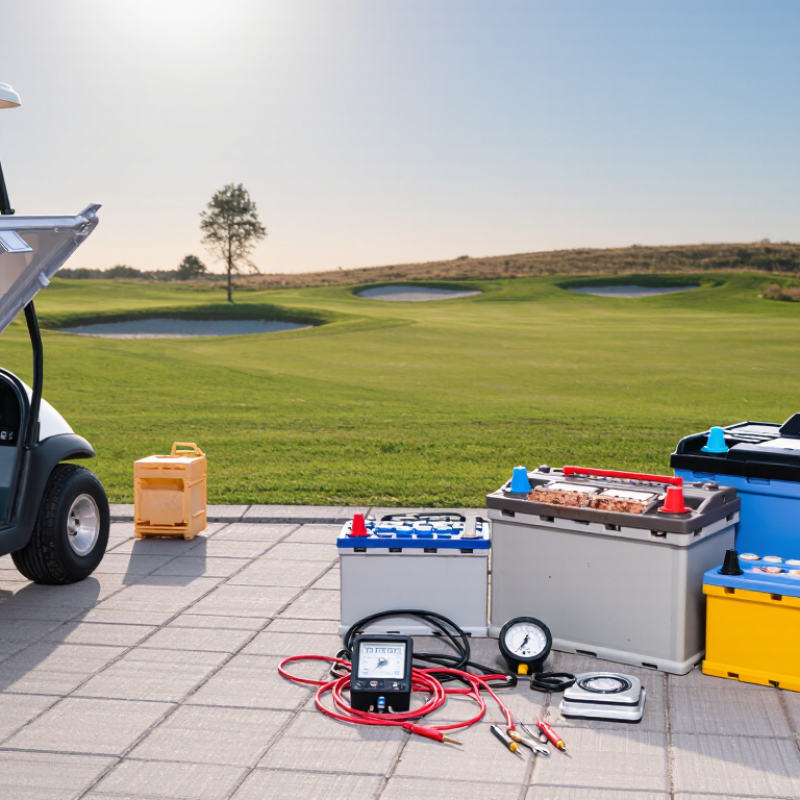
2026 Best Golf Cart Batteries Why Do They Die So Fast?

How Golf Cart Batteries Work and What Shapes Their Lifespan

A golf cart battery does not store electricity like a tank stores fuel. It converts chemical energy into electrical current. In a lead-acid battery, that reaction happens between lead plates and an electrolyte. Several batteries are connected in series to provide the cart’s required voltage. A loose cable or corroded terminal can interrupt that flow, even when the batteries look fine.

Small habits matter. Leaving the cart partly discharged for days can encourage sulfation in lead-acid batteries, reducing the plates’ ability to hold charge. Repeated deep discharges add stress, while hot storage speeds up chemical wear. Charging also matters: an unsuitable charger, poor connections, or incomplete charging can leave batteries undercharged. Check the manual for the correct charging routine. It is easy to overlook.

Battery type changes the care involved. Flooded lead-acid models need regular electrolyte checks; plates should remain covered, using distilled water when needed. Sealed lead-acid and lithium batteries have different requirements, so avoid assuming one routine fits all. Even a well-maintained battery gradually loses capacity. A cart that once handled a full round may begin slowing on hills or need charging sooner. That change is useful evidence, but not a diagnosis by itself. Tire pressure, heavy loads, and rough terrain can also drain energy faster. I would check those details before blaming the battery alone.

Why Golf Cart Batteries Often Die Faster Than Expected

2026 Best Golf Cart Batteries: Why Do They Die So Fast?

Golf cart batteries often die sooner than expected because everyday habits gradually reduce their capacity. Repeatedly draining them very low can shorten their useful life, especially when the cart sits discharged overnight. In many lead-acid batteries, low electrolyte levels expose internal plates and cause lasting damage. Check water levels only when the battery type requires it, and follow its maintenance instructions. Heat speeds up battery wear, while cold weather can make a weakened battery seem even less capable. Small habits matter.

Charging problems are another common cause. A charger that stops too early may leave batteries undercharged, while poor connections can prevent reliable charging. Corrosion around terminals adds resistance; loose cables can also cause trouble. A cart used for frequent hills, heavy loads, or long trips puts extra demand on an aging battery pack. It is easy to blame the battery alone, but the charger, connections, and usage pattern deserve a look too. A professional load test can help distinguish a worn battery from a charging issue.

Tips: Recharge after use rather than leaving batteries depleted. Keep terminals clean and connections secure. For lead-acid types, check water according to the manual; never guess. If runtime suddenly drops, note the charge time and driving conditions before replacing anything. That detail can help identify the real cause.

Why golf cart batteries often die sooner than expected
Repeated deep discharges can shorten lead-acid battery life. These representative estimates show the general relationship between depth of discharge and cycle life; actual results vary by battery design, temperature, charging, and maintenance. Avoid routinely running the battery very low, and recharge it promptly after use.

How to Identify the Cause of Early Battery Failure

Early battery failure often begins with one weak cell, not a dramatic breakdown. Check each battery’s voltage after a full charge and rest, then compare readings. A single low reading can point to sulfation, an internal fault, or poor charging. For flooded lead-acid batteries, compare cell electrolyte levels and specific gravity with a hydrometer. Corroded terminals, loose cables, and a charger that stops too early can also leave a cart sluggish on hills.

The U.S. Department of Energy’s 2023 Grid Energy Storage Technology Cost and Performance Assessment reports a broad cycle-life range for lead-acid systems, roughly 500–1,500 cycles, depending on conditions. Stationary storage is not a direct forecast for a golf cart, but the range shows why duty and charging habits matter. Repeated deep discharges, heat, and long periods left undercharged can shorten service life. One imperfect clue: a battery may show normal voltage yet collapse under load.

Tips: Photograph meter readings before and after charging, and test each battery separately. Inspect for wet, dusty cases and green-white terminal buildup. If one battery runs hotter or drops sharply during a load test, ask a qualified technician to confirm the diagnosis before replacing the whole set.

How to Choose the Best Golf Cart Battery in 2026

How to Choose the Best Golf Cart Battery in 2026

Choosing the best golf cart battery starts with your cart, not a sales claim. Check the manual for system voltage, battery dimensions, terminal layout, and charger requirements. Then compare usable capacity in amp-hours with your usual routes. A flat, short trip needs less energy than hilly terrain or frequent passenger loads. More capacity can help, but only if the battery fits and the cart supports it.

Lead-acid batteries often cost less upfront, but need regular watering and cleaning. Lithium batteries are lighter and may recharge faster, yet require compatible charging equipment and can cost more initially. Compare the total cost over the expected service life, not just the purchase price. Also inspect the warranty terms, temperature guidance, and service support. Battery life depends on use and care, so a precise lifespan promise deserves a second look.

Tips: Keep terminals clean and connections secure. Recharge after use, and avoid leaving the battery depleted for long periods. Follow the manufacturer’s charging instructions. If range suddenly drops, check tire pressure and cart load before assuming the battery has failed. It is an easy detail to overlook.

How to Extend Battery Life Through Charging and Care

Golf cart batteries may seem to fail suddenly, but repeated undercharging, deep discharge, and heat often shorten their useful life. Recharge after each substantial ride rather than waiting until the cart barely moves. For flooded lead-acid batteries, use a charger designed for that battery type and let the charge cycle finish. Interrupting it regularly can leave the pack undercharged.

Small habits matter.

Check the battery area monthly for loose connections, dirt, or signs of corrosion. Wear eye protection, and follow the cart and battery maker’s instructions before cleaning or servicing terminals. Flooded batteries need periodic water checks; add distilled water only as directed, and never let the plates become exposed. Sealed lead-acid and lithium batteries have different care requirements, so don’t add water or use a charger unless the instructions allow it.

That takes minutes. Heat also matters: park in a shaded, ventilated place when possible, and avoid charging a hot battery immediately after a hard ride. I’ve seen people focus on the charger while overlooking a loose cable or months of neglected checks. It is easy to miss.

Keep a simple record of charging and maintenance; if runtime keeps falling, arrange a battery test instead of guessing.

FAQS

How does a golf cart battery provide power?

Lead-acid batteries create electrical current through a reaction between lead plates and electrolyte. Batteries connect in series to provide the cart’s required voltage.

What habits can shorten battery life?

Repeated deep discharges, hot storage, and leaving batteries partly discharged can reduce capacity. Small habits add up.

How often should I add water?

Only flooded lead-acid batteries need regular electrolyte checks. Keep the plates covered with distilled water when needed, and follow the manual. Don’t guess.

Why might a cart slow down on hills?

A weakened battery may struggle under load. Heavy cargo, low tire pressure, rough terrain, or poor connections can also reduce performance.

What should I check if charging seems unreliable?

Inspect the charger, cables, and terminals. Corrosion or a loose connection can interrupt charging, even when the battery looks fine.

How can I check for one weak battery?

Fully charge the batteries, let them rest, then compare their voltage readings. A single low reading may suggest a problem, but it is not proof.

Can a battery show normal voltage but still be worn?

Yes. Voltage can look normal before the battery collapses under load. A professional load test can help clarify the cause.

What details should I record before replacing batteries?

Note charge time, driving conditions, and individual voltage readings. A photo of the meter helps. I might still miss something, so have a qualified technician confirm the diagnosis.

Conclusion

Why do golf cart batteries die so fast? The answer often lies in how they are used, charged, and maintained. Golf cart batteries store and deliver energy through repeated charge-and-discharge cycles, and their lifespan can be shortened by deep discharges, frequent short trips, excessive loads, heat, poor charging habits, or neglect. Understanding these factors helps owners distinguish normal wear from problems such as a faulty charger, loose connections, or uneven battery performance.

Choosing a battery in 2026 means considering the cart’s power needs, expected driving range, usage patterns, and care requirements—not just its upfront cost. Signs of early failure may include reduced range, slow acceleration, longer charging times, or difficulty holding a charge. To help extend battery life, follow the correct charging routine, avoid leaving the battery deeply discharged, keep connections clean and secure, and perform regular inspections. With suitable equipment and consistent care, batteries can deliver more dependable performance over time.

Liam

Liam

Liam is a dedicated marketing professional with a profound expertise in the industry, where he excels at highlighting the unique advantages of our core products. With a keen understanding of market trends and consumer needs, Liam frequently updates our company’s professional blog, providing......