In the world of golf carts, understanding the variations can be quite challenging. Different types of golf carts serve distinct purposes, which can confuse even seasoned players. According to Wayne Foster, a leading expert in golf cart design, “Choosing the right golf cart can enhance both performance and enjoyment on the course.” His insight highlights the importance of knowing what sets each type apart.
So, what is the difference between different golf cart types? Traditional gas-powered carts offer speed and range, while electric models are becoming popular for their eco-friendliness and quiet operation. Utility carts cater to those needing extra storage for gear or supplies, making them valuable on and off the golf course. Each design has unique features tailored to specific needs.
However, not everyone knows these distinctions. Many still equate all golf carts with each other, missing out on optimal choices for their needs. Some may overlook essential factors like battery life or payload capacity. Understanding what makes each type unique can lead to better decisions and a more enjoyable experience on the greens.
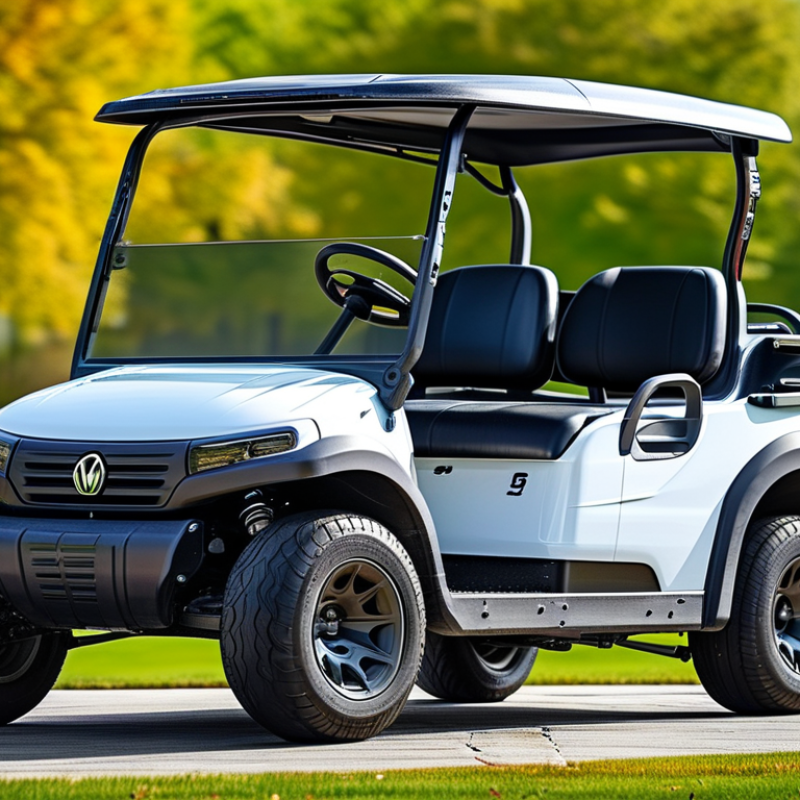
In 2026, golf carts come in various types, each catering to different needs and preferences. Electric carts dominate the market for their eco-friendliness and quiet operation. Gas-powered carts offer more power and longer range, making them suitable for hilly terrains. Utility carts, often equipped with various attachments, are perfect for those needing extra functionality on the course.
When choosing the right golf cart, consider your terrain. If your course has steep hills, a gas cart may be your best bet. Electric carts work well for flat, well-maintained areas. It's also wise to think about passenger capacity. Standard carts hold four, but larger options are available for families or groups.
**Tips:** Always test drive a few models. Getting a feel for handling can make a big difference. Look into storage options, as some carts provide better compartments than others. Finally, think about maintenance. Sometimes, simpler designs are easier to repair and service. Explore your options and choose wisely.
When it comes to golf carts, understanding the differences between electric and gas models is crucial. Electric golf carts are powered by batteries, typically offering a quieter and smoother ride. According to a 2023 report from the National Golf Cart Association, 70% of new golf carts sold are electric. This shift highlights growing environmental awareness and the demand for cleaner options.
Electric models generally have a lower operating cost. Charging a golf cart can cost as little as $0.50 per full charge, compared to gas carts that average $3.00 per refill. However, gas carts still hold appeal for their extended range and faster refueling options. They can cover roughly 100 miles on a single tank, which appeals to users needing longer travel without waiting for a charge.
Moreover, maintenance varies significantly. Electric carts require less upkeep due to fewer moving parts. However, the lifespan of batteries can be a concern; they usually last between 4 to 6 years, prompting users to factor replacement costs. Gas carts, while more complex, often have parts readily available, which can be a plus in regions with specific maintenance needs. Each option presents its pros and cons, deserving careful consideration based on individual requirements.
| Golf Cart Type | Power Source | Range Per Charge/Fill | Maintenance | Initial Cost |
|---|---|---|---|---|
| Electric Golf Cart | Electric Battery | 30-50 miles | Low, primarily battery replacement | $6,000 - $8,500 |
| Gas Golf Cart | Gasoline Engine | 100-200 miles | Moderate, oil changes and engine maintenance | $5,000 - $7,500 |
| Hybrid Golf Cart | Electric & Gas | 50-80 miles on electric, 200+ with gas | Moderate, similar to both types | $7,000 - $10,000 |
| Solar Golf Cart | Solar Powered | 30-40 miles | Very Low, minimal upkeep | $8,000 - $12,000 |
When looking at golf carts, performance metrics play a crucial role. Speed is often a primary concern. Different carts offer varying top speeds, typically ranging from 15 to 25 miles per hour. While some users might crave faster options, stability at lower speeds can enhance the overall experience. Balancing speed with comfort is essential, especially on uneven terrain.
Range is another critical factor. Many carts can cover between 25 to 50 miles on a single charge. Understanding your typical usage can help in selecting an ideal cart. A higher range is not always necessary. For those playing in small parks or communities, a more compact design may suffice. Efficiency also matters. Some carts use energy more wisely, allowing for longer use without frequent recharging.
Lastly, evaluating these metrics can reveal a cart's true value. It’s easy to get caught up in speed, neglecting how it interacts with range and efficiency. Each individual should reflect on their specific needs. Maybe a slower cart with better efficiency suits your lifestyle. Finding the right balance is key. Performance metrics help in making informed choices.
The customization of golf carts is gaining traction. Recent industry reports indicate that over 50% of golf cart owners seek unique features. This tendency to personalize reflects a shift in consumer desires. As golf carts become more versatile, the options for upgrades are expanding.
One popular trend is the addition of enhanced seating. Comfortable seats improve the riding experience. According to data from a leading market research firm, nearly 30% of owners invest in upgraded seating. Upgraded sound systems and lighting features are also rising in popularity. These enhancements create a more pleasant and enjoyable atmosphere on the course.
Moreover, sustainable options are increasingly being considered. Electric carts with solar-powered accessories can significantly reduce carbon footprints. Innovations in battery technology now provide longer usage times. Exploring these advancements is essential as consumers prioritize eco-friendly choices. Personalization goes beyond aesthetics; it reflects individual lifestyles and values. The variety of available upgrades means there’s room for improvement. Every enhancement needs reflection on functionality versus style.
The golf cart industry is experiencing a shift towards more sustainable designs. Many manufacturers focus on reducing environmental impact. Innovations in battery technology play a key role in this transition. Electric carts are becoming standard, replacing gas-powered models. These quieter, cleaner options benefit both players and the surrounding environment.
Another notable change is the use of eco-friendly materials. Recycled plastics and biodegradable components are gaining popularity. This shift reflects a growing awareness of environmental responsibility. However, there are still challenges. The durability of these materials compared to traditional options can be a concern. Additionally, as manufacturers innovate, costs may increase. It’s essential for the industry to balance sustainability with affordability.
As golf courses aim for greener practices, the demand for eco-conscious carts will rise. Courses must adopt these innovations to attract environmentally aware golfers. Embracing this change requires commitment and continuous improvement. The journey towards sustainable golf cart design is ongoing, filled with opportunities for growth and reflection.
: There are electric, gas-powered, and utility carts. Each type serves different needs.
Electric carts are eco-friendly and operate quietly. They are ideal for many users.
Gas carts are suitable for hilly terrains. They offer more power and longer range.
Consider the steepness of your course. Choose accordingly for the best performance.
Standard carts typically hold four passengers. Larger options are available for families.
Test driving models is important for handling. Also, consider storage and maintenance needs.
Yes, speed typically ranges from 15 to 25 mph. Range can span 25 to 50 miles on a charge.
Efficiency affects how long a cart can run without recharging. It's crucial for convenience.
Balance is important. Sometimes, a slower, efficient cart may better suit your needs.
Evaluate speed, range, and efficiency together. Each user’s needs are unique and should guide choices.
In the article "2026 Top Golf Cart Types: What Makes Them Different?", we explore various popular golf cart options available in 2026, highlighting their unique features and capabilities. A key focus is on understanding what is the difference between different golf cart types, specifically electric versus gas carts. These differences are assessed through performance metrics like speed, range, and efficiency, providing insights for potential buyers.
Moreover, the article delves into the growing trends in customization, showcasing various upgrades and accessories that enhance the golfing experience. Lastly, we examine the environmental impact of golf carts, shedding light on sustainable innovations in their design, which aim to reduce their ecological footprint. Overall, the article serves as a comprehensive guide for anyone looking to make an informed decision when choosing a golf cart.

E-par Golf Cart