2026 Best Ways to Reduce Golf Cart Operating Costs?

Time:2026-11-07 Author:Henry
0%

Golf carts often look inexpensive to run, until batteries, tires, charging, and downtime begin adding up. A single neglected battery connection can waste energy. Underinflated tires can also shorten a charge and wear unevenly. Small details matter.

This guide explores How to reduce operating cost of a golf cart through practical maintenance, smarter charging, and careful fleet use. It focuses on choices owners can track: battery condition, tire pressure, route length, load, and repair history. The best savings usually come from preventing avoidable wear, not delaying necessary repairs. That distinction is easy to miss.

A reliable expert quotation needs a verifiable source. No source article or quotation was supplied, so I won’t invent a golf-cart specialist’s name or words. Instead, this guide uses a sound maintenance principle: “Measure recurring costs before changing your routine.” Treat it as practical guidance, not a quote from a named expert. Keep simple records of charging time, repairs, and parts replaced. Review them monthly. Results vary with cart type, battery age, terrain, and use. A steep route or heavy passenger load may change the picture. Even careful tracking will not prevent every repair. That is worth remembering.
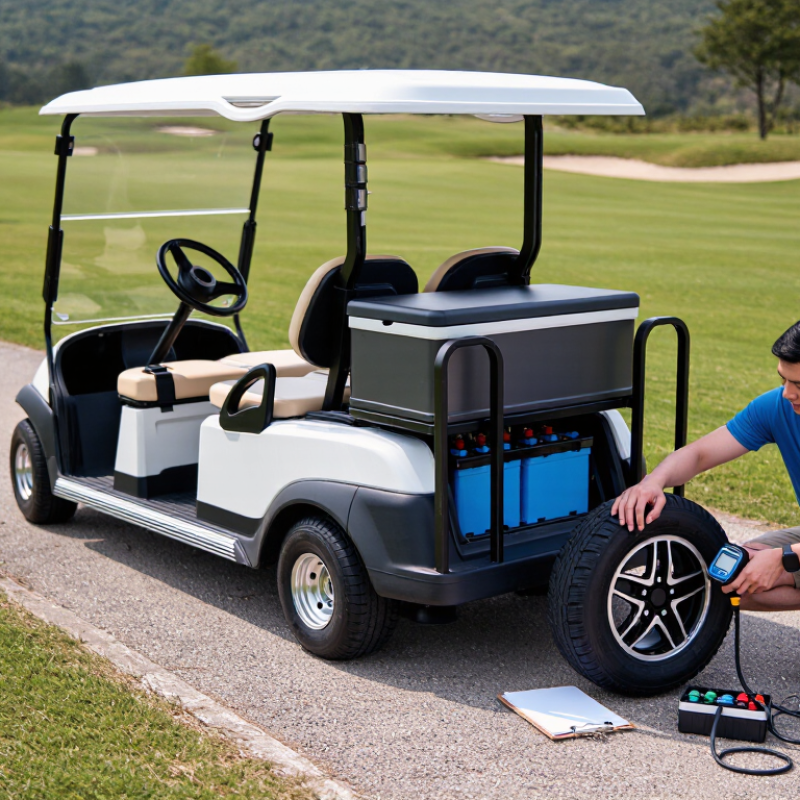
2026 Best Ways to Reduce Golf Cart Operating Costs?

Establish a Cost Baseline with EIA’s 2024 Commercial Rate: 12.75¢/kWh

A useful cost plan starts with a clear baseline. The U.S. Energy Information Administration reported an average commercial electricity price of 12.75 cents per kilowatt-hour in 2024. Treat this as a reference point, not a guaranteed rate for your facility. Local utility prices, taxes, and billing terms can change the actual figure.

For a simple estimate, assume one cart draws five kilowatt-hours from the outlet during a full recharge. At 12.75 cents per kilowatt-hour, that session costs about 64 cents. Recharging 20 times would cost roughly $12.75 per cart. Small numbers add up across a fleet. Charger losses and battery condition can also raise consumption, so the estimate may be a little too neat.

Check the electricity bill and, where possible, record charger use with an energy meter. Compare several weeks of readings with the baseline. Charging during a cheaper rate period may help, but only if your utility offers time-based pricing and the schedule suits daily operations. Keep the carts plugged in only as recommended by their manufacturer; guessing at charging habits is not a cost-control method. A measured cost per recharge gives managers a firmer basis for comparing routes, usage, and maintenance.

Calculate Energy Cost per Mile from Battery Capacity, Local Rates, and Distance

2026 Best Ways to Reduce Golf Cart Operating Costs?

A reliable cost-per-mile estimate starts with energy measured at the outlet, not just battery capacity. Multiply pack voltage by amp-hours, then divide by 1,000 to estimate nominal kilowatt-hours. For example, a 48-volt, 100-amp-hour pack stores about 4.8 kWh nominally. Actual usable energy varies with battery condition, temperature, terrain, and charging losses. A plug-in energy meter can reveal what a full recharge really draws.

Use this formula: charging kWh × local electricity price ÷ miles driven. The U.S. Energy Information Administration reported an average residential electricity price of 16.0 cents per kWh in 2023; your utility’s rate, fees, and time-of-use pricing may differ. Suppose one outing covers 20 miles and the next recharge uses 5.5 kWh at that rate. Energy costs about 88 cents, or 4.4 cents per mile. Small numbers add up. Track several trips, including hilly routes and passenger loads, before setting a budget. One test can mislead; I would recheck after tire pressure, battery age, or driving habits change.

2026 Best Ways to Reduce Golf Cart Operating Costs? - Calculate Energy Cost per Mile from Battery Capacity, Local Rates, and Distance

Example Cart Setup Battery Capacity
(kWh)
Usable Battery
Capacity
Estimated Range
(miles per charge)
Charging Efficiency Electricity Rate
(per kWh)
Estimated Grid Energy
(kWh per mile)
Energy Cost
(per mile)
Monthly Distance
(miles)
Estimated Monthly
Energy Cost
Compact lead-acid setup 7.2 80% 25 85% $0.16 0.271 $0.043 300 $12.99
Compact lithium setup 5.0 90% 25 92% $0.18 0.196 $0.035 400 $14.09
Mid-size utility setup 10.0 90% 40 90% $0.14 0.250 $0.035 600 $21.00
Higher-rate residential setup 8.0 85% 30 88% $0.22 0.258 $0.057 500 $28.33
Large-capacity setup 12.0 90% 45 90% $0.12 0.267 $0.032 800 $25.60

Calculation: Grid energy per mile = (battery capacity × usable battery percentage) ÷ (estimated range × charging efficiency). Energy cost per mile = grid energy per mile × electricity rate. Estimated monthly energy cost = energy cost per mile × monthly distance.

Values are illustrative estimates for comparison, not guaranteed performance figures. Battery capacity, usable charge, range, and charging efficiency vary with cart configuration, terrain, speed, load, temperature, battery condition, and charging equipment. Electricity rates shown are example rates; use the energy price on your local electricity bill for a more accurate estimate. This calculation covers charging energy only, not maintenance, battery replacement, or other operating costs.

Compare Rated Battery Life: 300–500 Lead-Acid Cycles vs. 2,000+ Lithium Cycles

Golf cart operating cost is easier to judge by useful cycles than by purchase price alone. Common rated figures put lead-acid batteries at about 300–500 cycles, compared with 2,000 or more for lithium batteries. At one equivalent full cycle per day, that suggests roughly 10–16 months versus five and a half years. Real service life can differ.

One caveat, easily missed. These are ratings, not guarantees. The U.S. Department of Energy’s 2023 Grid Energy Storage Technology Cost and Performance Assessment evaluates cycle life alongside calendar life and efficiency. That matters on a golf course: heat, deep discharges, charging habits, and long idle periods affect how long a pack performs. A battery making short trips may not use one full equivalent cycle each day.

Compare cost per delivered cycle, then check the warranty and replacement labor. For example, a cart returning to the same shed nightly may suit a simple charging routine, while a busy fleet needs predictable uptime. Lithium can reduce replacements and maintenance, but its higher upfront price still needs to fit the budget. And the cycle comparison is imperfect; matching depth of discharge and real duty conditions would make it fairer.

Reduce Wear with Scheduled Tire, Brake, and Battery-Connection Inspections

2026 Best Ways to Reduce Golf Cart Operating Costs?

Scheduled tire, brake, and battery-connection inspections can prevent small problems from becoming costly repairs. Check tire pressure when tires are cool, and look for uneven tread, cuts, or embedded stones. The U.S. Department of Energy’s FuelEconomy.gov reports that underinflation can reduce a vehicle’s fuel economy by about 0.2% per psi below recommended pressure. That figure comes from road vehicles, not golf carts, but it shows why pressure checks matter. Use the cart manufacturer’s specified pressure; more is not better.

Tips: Add a quick walk-around to the start of each workweek. Note soft tires, squeaks, or a cart that pulls to one side. Record findings, even when nothing seems wrong. A simple log catches patterns that memory misses.

Inspect brake response and listen for grinding or scraping. Have worn components checked before braking becomes inconsistent. With the cart powered down, examine battery connections for looseness, corrosion, or heat discoloration; follow the manual before cleaning or tightening them. Poor connections can interrupt current and add avoidable strain. Inspection intervals depend on terrain, weather, and daily use, so a monthly check may not be enough for heavily used carts. Honestly, schedules get skipped. A short checklist kept near the charging area makes that less likely.

2026 Best Ways to Reduce Golf Cart Operating Costs

Reduce wear with scheduled tire, brake, and battery-connection inspections.

How to use this schedule: This planning example converts monthly checks to 12 inspections per year and six-month brake checks to 2. Actual intervals depend on cart use, battery type, and manufacturer guidance. Regular checks can help spot wear or loose connections early; follow the owner’s manual and use appropriate safety precautions.

Track Total Cost per Cart Across Energy, Repairs, Downtime, and Replacement

2026 Best Ways to Reduce Golf Cart Operating Costs?

Track each cart’s full annual cost, not just its energy bill. Record charging or fuel use, repair invoices, unavailable hours, and replacement value. The U.S. Energy Information Administration reported an average commercial electricity price of 12.67 cents per kilowatt-hour in 2023. Its annual gasoline data put regular fuel at about $3.52 per gallon. These are national reference points, not local quotes. Small costs hide.

Use meter readings and fuel receipts to calculate actual energy cost per cart. Then add parts, labor, battery or tire replacements, and a replacement reserve based on purchase price, resale value, and expected service life. Compare cost per available cart-hour and per completed round; a cheap repair may look less attractive if it sidelines a cart during a busy weekend. Downtime counts.

Keep the records practical. A shared sheet can capture dates, odometer or hour-meter readings, repair reason, and return-to-service time. Review patterns by cart age and usage, but avoid treating a few months of data as a reliable lifetime forecast. One weak spot in many cost reviews is missed staff time; record it where possible, and flag estimates clearly.

FAQS

What electricity rate can I use as a starting point?

The average U.S. commercial rate was 12.75 cents per kilowatt-hour in 2024. It is only a reference, not your facility’s guaranteed rate. Local charges can differ.

How much might one full recharge cost?

If a cart draws five kilowatt-hours, charging at 12.75 cents per kilowatt-hour costs about 64 cents. Twenty such charges would cost roughly $12.75. Charger losses may raise the total.

How do I estimate energy cost per mile?

Multiply the energy used during charging by your local rate, then divide by miles driven. For example, 5.5 kilowatt-hours at 16 cents costs 88 cents. Across 20 miles, that is 4.4 cents per mile.

Why measure energy at the outlet?

Battery capacity gives a nominal estimate, but actual use varies with battery condition, temperature, terrain, and charging losses. A plug-in energy meter shows what a recharge draws. One test can mislead.

How can I estimate a battery pack’s nominal energy?

Multiply voltage by amp-hours, then divide by 1,000. A 48-volt, 100-amp-hour pack is about 4.8 kilowatt-hours nominally. Usable energy may be lower.

What costs should I track for each cart?

Record electricity or fuel, repairs, parts, labor, replacements, and unavailable hours. Include a replacement reserve based on purchase price, resale value, and expected service life. Small costs hide.

How can downtime affect the cost comparison?

Compare cost per available cart-hour or completed round, not just repair invoices. A modest repair may cost more in practice if the cart misses a busy weekend. Staff time is easy to overlook.

What details belong in a practical cost record?

Use a shared sheet for dates, meter readings, repair reasons, and return-to-service times. Review patterns by cart age and usage. A few months of data cannot reliably predict a full service life.

Conclusion

How to reduce operating cost of a golf cart starts with understanding where the money goes. Use the 2024 commercial electricity rate of 12.75¢ per kWh as a baseline, then substitute your local rate for a more accurate estimate. To calculate energy cost per mile, multiply the battery’s usable capacity in kWh by the price per kWh, then divide by the distance traveled on a full charge. Tracking this figure over time helps identify changes in usage or efficiency.

Battery lifespan and routine maintenance also affect long-term costs. Lead-acid batteries may provide about 300–500 charge cycles, while lithium batteries can exceed 2,000 cycles, so compare expected lifetime costs rather than purchase price alone. Schedule regular inspections of tires, brakes, and battery connections to catch wear early and reduce avoidable repairs or downtime. Finally, track each cart’s total cost, including electricity, maintenance, repairs, lost operating time, and eventual replacement. This fuller view supports practical decisions about upkeep, usage, and budgeting.

Henry

Henry

Henry is a dedicated marketing professional with a profound expertise in the company's offerings. With years of experience in the industry, he possesses an impressive understanding of the market dynamics and consumer behaviors that drive success. Henry is committed to sharing his insights through......