Choosing the right golf cart can be challenging. Many golfers face the dilemma of how to choose between electric and gas golf carts. Each option has its own benefits and drawbacks. Understanding these can help you make an informed decision.
Electric golf carts are known for being quiet and efficient. They produce zero emissions, making them environmentally friendly. However, they may have limited range and can take time to charge. In contrast, gas golf carts often provide longer driving ranges and quicker refueling times. But they are louder and emit pollutants.
As you consider your options, think about your specific needs. Do you play on hilly terrain? A gas cart might suit you better. If you value a quieter ride, electric could be the answer. Reflect on how often you play and where. Every detail matters in this choice. Ultimately, the best golf cart is one that aligns with your lifestyle and preferences.
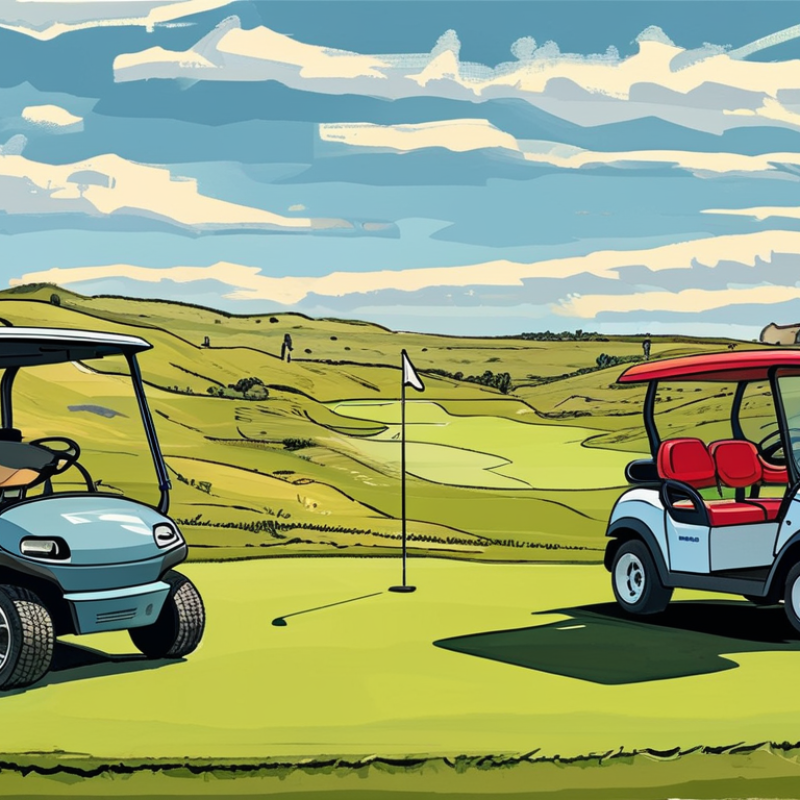
Electric golf carts offer unique advantages for users. They are quiet and eco-friendly, making them ideal for serene golf courses. Battery life has improved, allowing for longer rounds without worrying about charging. Furthermore, maintenance costs are typically lower compared to gas models. However, potential buyers should consider charging infrastructure. Not all locations have convenient access to charging stations.
On the downside, electric carts may struggle with steep hills. Their performance can vary based on the terrain and battery condition. While they are cheaper to run, initial costs can be higher. Some users may feel overwhelmed by the options available, leading to indecision. By weighing these factors, you can make a more informed choice regarding your next golf cart purchase.
Gas golf carts offer several benefits and drawbacks that you should consider carefully. One of the key advantages is their power. They can often handle rough terrain better than electric models. This is especially useful if you plan to use the cart on hilly courses or off-road areas. Additionally, gas golf carts generally have longer driving ranges and can be refueled quickly.
However, there are notable drawbacks. Noise and emissions are significant concerns. These carts produce engine sounds and fumes that may bother users and nearby players. Maintenance can also be more complex and costly over time, given the engine parts and fuel systems involved. If you are not prepared for regular maintenance, this could be an issue.
When choosing between gas and electric, think about your needs. Consider the terrain where you will use the cart most. If you frequently drive on rugged paths, gas may be the better option. Also, reflect on the convenience of refueling versus charging. Charging can take time, while gas generally offers quick refills. Make your choice based on your lifestyle and preferences, not just on the perceived advantages of one type over the other.
When comparing electric and gas golf carts, the cost is a crucial factor. The initial purchase price of a gas cart might be lower. However, over time, electric carts can save money. They require less maintenance and typically have lower operating costs. Charging an electric cart is cheaper than buying gas.
Long-term expenses can weigh heavily on your wallet. Gas prices fluctuate, leading to unpredictable costs. Electric carts, in contrast, offer more stability with charging fees. However, the battery replacement for electric carts can be expensive. This is an important factor to consider when making a decision.
Every choice involves trade-offs. Some users appreciate the power of gas carts. They may offer quicker acceleration and longer range on a single tank. Yet, electrical options are eco-friendly and quieter. These points merit serious consideration for prospective buyers. Evaluate your needs and budget closely to choose wisely.
When considering electric and gas golf carts, it's crucial to evaluate performance metrics like speed, range, and power. Electric models typically reach speeds of 15 to 25 miles per hour. However, they often face limitations in range, usually between 30 to 50 miles on a full charge. The power output of electric carts is consistent and smooth, providing a pleasant driving experience.
In contrast, gas golf carts can achieve higher speeds, often exceeding 25 miles per hour. They usually boast a longer range, often over 100 miles on a tank of gas. This makes them suitable for longer courses and extended use. Gas models tend to offer more torque, especially useful for hilly terrains or carrying heavier loads. However, their performance can be less stable, with maintenance needs like oil changes and fuel quality concerns.
Both options present trade-offs. For instance, while electric carts are quieter and eco-friendlier, they require charging time, which can be a hassle during outings. Gas carts, while more powerful, emit noise and fumes. Ultimately, understanding each type’s performance metrics allows you to make a more informed decision that suits your needs and preferences.
| Type | Max Speed (mph) | Range (miles) | Power Source | Maintenance Level |
|---|---|---|---|---|
| Electric | 15 | 30 | Battery | Low |
| Gas | 20 | 100 | Gasoline | Moderate |
When considering the environmental impact of golf carts, electric and gas options present differing sustainability profiles. Electric golf carts are often seen as the greener choice. They produce zero emissions during operation, which significantly reduces local air pollution. A study from the National Renewable Energy Laboratory found that electric carts can lead to a 50% reduction in greenhouse gas emissions compared to gas-powered alternatives. This is crucial for areas where air quality is a concern.
However, the production and disposal of batteries for electric carts raise sustainability questions. These batteries can have adverse effects on the environment if not recycled properly. About 20% of old batteries currently end up in landfills, worsening their overall ecological footprint. Thus, it's essential to assess the entire lifecycle of the cart before making a decision.
**Tip:** If selecting an electric cart, look for dealerships that offer battery recycling programs.
Gas carts, while more powerful and longer-lasting, contribute to higher emissions. They burn fossil fuels, directly impacting air quality. According to the U.S. Environmental Protection Agency, small engines like those in gas golf carts emit substantial amounts of nitrogen oxides and hydrocarbons. This demonstrates how gas carts could inhibit efforts toward sustainable practices.
**Tip:** Consider using gas carts for limited, short-term use to minimize their environmental footprint.
Understanding the nuances between these options is vital for making an informed choice that aligns with environmental goals.
: Gas golf carts are powerful and better for rough terrain. They also have longer driving ranges and quick refueling.
Yes, noise and emissions are significant issues. Engine sounds and fumes may bother users and nearby players.
Gas carts usually need more complex and costly maintenance due to engine parts. You must prepare for regular upkeep.
Reflect on your typical terrain and how convenient refueling is for you. Consider your lifestyle and preferences as well.
Gas carts might have a lower initial price. However, electric carts may save money long-term due to lower maintenance and charging costs.
Gas prices can fluctuate, leading to unpredictable expenses. This can affect your budget over time.
Yes, electric golf carts are quieter and produce no emissions. This can be beneficial for the environment and surrounding players.
Battery replacement can be expensive. This cost is important to factor into your long-term expenses.
Yes, refueling a gas cart is generally quick. This can be an advantage if you prefer minimal downtime.
Both aspects matter. Evaluate what fits your needs more. Consider immediate costs versus future expenses carefully.
When deciding how to choose between electric and gas golf carts, it's essential to weigh the advantages and disadvantages of each option. Electric golf carts offer benefits such as lower operating costs, quieter operation, and reduced environmental impact, but they may have limited range and require charging infrastructure. In contrast, gas golf carts are generally more powerful and provide longer ranges but come with higher fuel and maintenance costs, as well as a greater environmental footprint.
Additionally, the cost comparison highlights not just the initial investment but also long-term expenses associated with each type. Performance metrics such as speed and power also play a crucial role in the decision-making process. Ultimately, understanding the environmental impact and sustainability considerations will further guide potential buyers in making an informed choice that best fits their needs and values.

E-par Golf Cart