The resale value of a golf cart can significantly impact your investment. Understanding what affects the resale value of a golf cart is essential for buyers and sellers alike. Industry expert John Thompson, a well-known golf cart dealer, once stated, “Condition, brand, and demand define a cart’s value in the market.” This insight highlights the importance of several key factors.
Condition is paramount. A well-maintained cart tends to fetch a higher price. Features like upgraded batteries and tires also play a role. Brands matter, too; popular names often retain value better than lesser-known ones. Seasonal demand can affect prices; during peak golf season, for example, values may rise.
Lastly, personal touches like custom paint jobs or added accessories can influence the resale value. However, some modifications might not appeal to all buyers. Understanding these aspects can lead to more informed decisions. It’s vital to evaluate these elements carefully when considering investing or selling a golf cart.
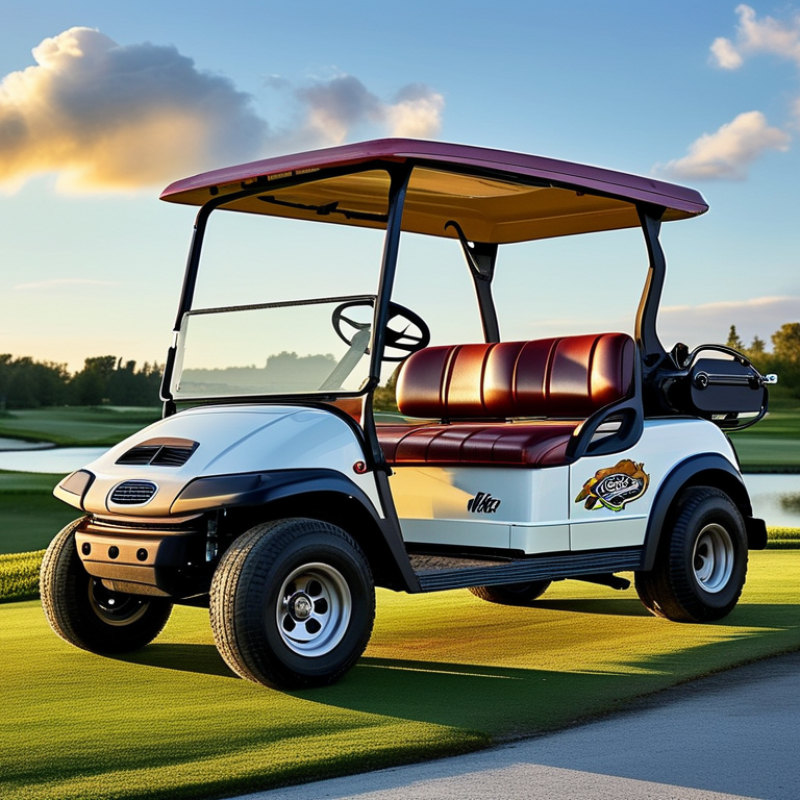
Factors Influencing the Initial Purchase Price of a Golf Cart
When considering the purchase price of a golf cart, several key factors come into play. The model and brand significantly impact the cost. Premium brands often come with advanced features and better build quality. However, these can lead to higher resale values later. Newer models tend to be more expensive due to innovative technologies. Yet, they may depreciate quicker than older models that have stood the test of time.
Other elements influencing the purchase price include the cart's condition and customization options. A well-maintained used cart can be a bargain. Custom features like upgraded wheels, weather enclosures, or stereo systems can elevate the price. These customizations can also appeal to future buyers, making the cart more desirable.
Tip: When choosing a golf cart, consider your needs. Think about the terrain where you'll use it. Different terrains require different features. It’s better to invest in a cart suited for your lifestyle. Another tip is to explore used carts, which can provide excellent value if inspected thoroughly. Keeping records of maintenance and any custom work can also add to the cart's resale appeal.
Impact of Brand Reputation on Golf Cart Resale Value
The resale value of a golf cart is significantly influenced by brand reputation. A well-known brand often assures potential buyers of quality and reliability. People tend to trust brands with a long history. Their past performance creates a sense of reliability. Customers feel confident their investment will retain value longer.
When examining resale figures, the impact is evident. Carts from reputable brands typically command higher prices. This is not just due to their performance but also their perceived quality. Buyers often seek assurance they are making a wise purchase. In many cases, a brand's popularity can outweigh technical specifications. Personal experiences and word-of-mouth recommendations shape opinions.
However, brand reputation isn't everything. Factors like maintenance history and condition also play a role. A well-kept cart from a lesser-known brand might outperform a neglected one from a reputable name. Ultimately, while brand reputation heavily influences resale value, it is not the sole factor. Consumers should consider various elements before making a purchase.
Condition and Maintenance as Determinants of Resale Prices
The condition and maintenance of a golf cart play crucial roles in determining its resale value. A well-preserved golf cart can retain up to 70% of its initial value after five years. However, neglect can lead to significant depreciation. Simple factors, such as regular maintenance and cleanliness, can enhance perceived value.
For instance, carts with clean batteries and lubricated moving parts tend to attract buyers more effectively. Reports show that golf carts with visible signs of wear, like faded paint or worn tires, can lose approximately 20% of their value. Regular inspections and timely repairs can significantly improve longevity and resale prospects.
Moreover, documentation of maintenance can instill buyer confidence. Buyers appreciate a cart with complete service records. It suggests that the previous owner took their investment seriously. This attention to detail can yield a resale price increase of about 15%. However, overlooking basic maintenance, like battery health and tire condition, can present risks that impact resale negatively. Taking these factors into account is crucial for optimizing resale value.
Factors Affecting the Resale Value of Golf Carts
Market Demand Trends and Their Effect on Golf Cart Valuation
Market demand trends significantly impact the resale value of golf carts. As more people turn to alternative transportation, the popularity of golf carts has surged. Many buyers seek eco-friendly options for short-distance travel, especially in community settings. This shift in preferences can lead to fluctuating resale values. A high demand often equates to higher prices, while a drop in interest can diminish values substantially.
Specific features can also play a role in determining resale value. Carts equipped with modern amenities or advanced technology usually fetch better prices. Conversely, older models without upgrades may struggle in the market. Sellers must be aware of these factors when pricing their carts. Ignoring market preferences could lead to undervaluation or overpricing, both of which are risky.
Seasonality can further impact resale dynamics. For example, sales may peak in spring before golf season, while interest dwindles in winter. Understanding these cycles is essential for maximizing value. The golf cart market is ever-evolving, and staying attuned to these trends can prove beneficial. However, even experienced sellers sometimes misjudge the timing or demand, resulting in unsold carts. This highlights the need for continuous learning and adaptation.
What Factors Affect the Resale Value of a Golf Cart? - Market Demand Trends and Their Effect on Golf Cart Valuation
| Factor |
Description |
Impact on Resale Value |
| Brand Reputation |
Established brands often have a higher resale value due to perceived quality. |
High |
| Condition |
Well-maintained carts retain better value than those with visible wear and tear. |
Very High |
| Age |
Newer models typically command higher prices; older models depreciate over time. |
Moderate |
| Features |
Added features such as upgraded seating, electric models, and technology increase value. |
High |
| Market Demand |
High demand in certain regions can drive up resale prices. |
Very High |
| Customization |
Custom-built carts may attract niche buyers but can deter mainstream buyers. |
Variable |
| Seasonality |
Resale prices can fluctuate with seasons, with peaks typically in spring and summer. |
Moderate |
Customization and Upgrades: Boosting Golf Cart Resale Value
Customization and upgrades can significantly impact the resale value of a golf cart. Many buyers are attracted to unique features and enhancements that set a golf cart apart from standard models. Adding custom seats, upgraded lighting, or a new sound system can make a cart more appealing. These upgrades not only improve aesthetics but also functionality, attracting buyers looking for additional comforts.
Investing in quality modifications is important. Simple, budget-friendly changes might seem appealing, but they can result in lower resale prices. For example, poorly installed accessories may break down quickly. Buyers notice these details. A well-maintained cart with thoughtful upgrades will draw more interest and command higher offers. Consider if the personal touch enhances its overall value.
However, personalization to an extreme can backfire. For instance, bright colors or unconventional designs may alienate potential buyers. Uniformity can sometimes be more desirable. It’s essential to strike a balance between personal taste and broader appeal. Reflect on what makes a golf cart attractive to a wide audience. Thoughtful choices in customization can lead to greater resale value.
FAQS
: A strong brand reputation boosts buyer confidence and typically leads to higher resale prices.
Yes, maintenance history, cart condition, and market trends also influence resale worth significantly.
The condition is crucial; a well-maintained cart can retain up to 70% of its value after five years.
Regular maintenance, cleanliness, and documented service records enhance perceived value and buyer confidence.
Yes, rising popularity of golf carts can increase prices, while decreased interest can lead to lower values.
Carts with updated technology usually attract higher prices compared to older models without upgrades.
Spring is ideal, as interest peaks before golf season, but sellers must watch market cycles closely.
Overlooking basic upkeep can lead to depreciation and decreased resale potential, which sellers must avoid.
Sellers should be aware of market trends and features; otherwise, they risk undervaluing or overpricing carts.
Personal experiences and word-of-mouth can significantly shape perceptions and ultimately influence purchase decisions.
Conclusion
Understanding "what affects the resale value of a golf cart" involves evaluating several key factors. The initial purchase price hinges on attributes like brand reputation and the features of the cart. Well-known brands generally command higher resale values due to established trust and perceived quality.
Additionally, the condition and maintenance of the golf cart play crucial roles in its valuation. A well-maintained cart will retain its value better than one that shows signs of wear and neglect. Market demand trends also significantly impact resale prices; as interest in golf and recreational vehicles grows, so do prices. Lastly, customization and upgrades can enhance a cart's appeal, allowing owners to fetch higher resale values. By considering these factors, sellers can optimize their golf cart's market performance.

 E-par Golf Cart