Golf carts are essential for mobility on golf courses and community properties. However, the frustration of a golf cart losing power can ruin the experience. According to a 2023 industry report by the Cart Institute, nearly 45% of golf cart owners experience power loss issues. Understanding "Why is my golf cart losing power?" is crucial for maintaining seamless operations.
Expert mechanic John Archer notes, "A golf cart should be reliable. Power loss often signals deeper electrical or battery issues." Battery problems, faulty wiring, and motor malfunctions can all contribute to diminished power. Ensuring your battery is fully charged and connections are secure is vital. Regular maintenance checks can prevent these issues before they start.
Additionally, not all problems are easily fixable. Some issues might require professional assistance, which can be costly. It’s important to know when to seek help and avoid DIY fixes that could worsen the situation. By being informed and proactive, you can keep your golf cart running smoothly and enhance your overall experience.
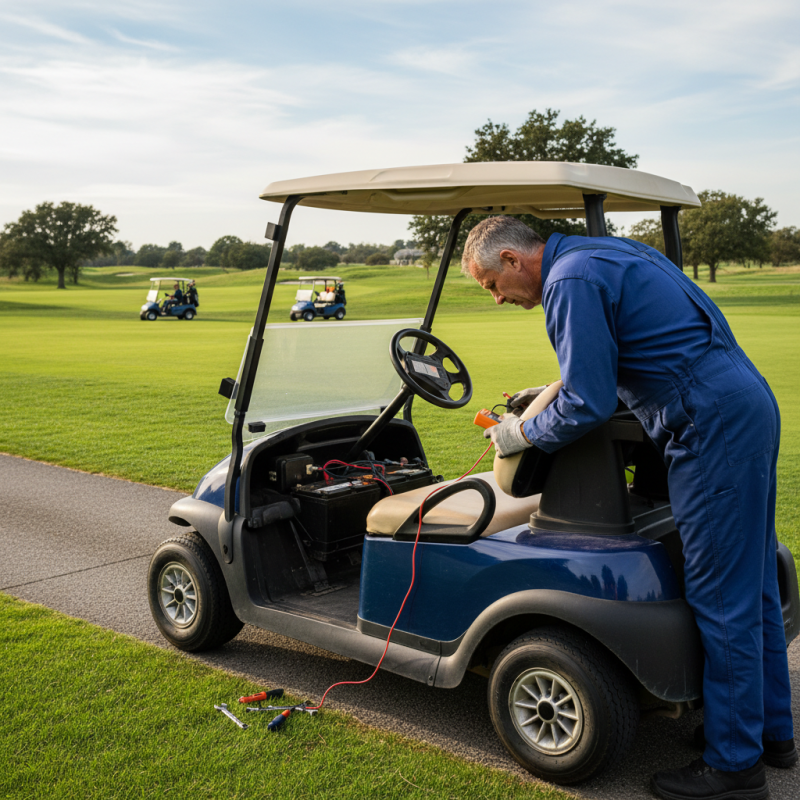
Power loss in golf carts can stem from various common issues. One primary cause is the battery. A weak or aging battery may not fully charge, which can lead to reduced power when driving. Check the battery terminals for corrosion. Loose connections can also hinder performance.
Another issue could be the motor. A motor that is overheating may shut down intermittently, creating sudden power loss. Inspect the motor for signs of wear and tear. Regular maintenance is crucial to keep it functioning properly.
Moreover, the controller could be the culprit. If the controller is malfunctioning, it may not effectively manage power distribution, leading to inconsistent power delivery. It’s essential to evaluate each component and ensure everything is in peak condition. Regular checks can prevent unexpected power failures.
Battery health is crucial for golf cart performance. A depleted or aging battery can lead to significant power loss. Research indicates that nearly 30% of golf cart issues stem from battery-related problems. Regularly checking the battery's voltage can identify potential issues. A fully charged battery should show around 12.6 volts or more. If readings fall below 12.4 volts, it may indicate weakening health or charge.
Charge levels also impact power. Golf carts typically require a full charge, often needing 8 to 10 hours after usage. However, many users overlook this. It's essential to regularly monitor charge cycles to prevent power dips. Neglecting to do so can lead to inefficient performance. Moreover, battery connections must be clean and tight. Corroded terminals can exacerbate power loss.
Lastly, the environment plays a role. Battery performance can decline in extreme temperatures. Cold weather can reduce capacity by 30%. Conversely, excessive heat can damage battery life span. Understanding these factors is essential for maintaining optimal golf cart performance. Regular checks and maintenance can make a noticeable difference.
When dealing with a golf cart that is losing power quickly, inspecting the electrical connections and wiring integrity is crucial. Start by checking the battery terminals. Ensure they are tight and free of corrosion. Loose or corroded terminals can impede electrical flow, leading to power issues. If you find any signs of corrosion, clean the terminals with a wire brush.
Next, examine the wiring throughout the cart. Look for any frayed wires or damaged insulation. Frayed wires can lead to intermittent power loss. If you encounter damaged wires, consider replacing them to restore reliable connectivity. It might be helpful to refer to a wiring diagram for your golf cart model to ensure all connections are correctly identified.
**Tips:** Regularly inspect your golf cart's electrical connections. A small problem can escalate quickly. If you're unsure about any wiring issues, it’s wise to consult with a professional. Remember, a thorough inspection may reveal issues you didn't expect. Don't rush; take the time to do it right.
When a golf cart loses power quickly, the motor and controller are key components to evaluate. The motor converts electrical energy into mechanical power. If the motor is faulty, it may not deliver the required output. Look for unusual noises or vibrations when operating. Testing the motor’s windings with a multimeter can also help diagnose any issues.
The controller regulates the power flow from the battery to the motor. A malfunctioning controller can lead to inconsistent power delivery. Check for burnt smells or signs of damage. Inspect the connections for corrosion, which can disrupt the power flow.
Tips: Regular maintenance is crucial. Clean your connections regularly to avoid buildup. Monitor the battery’s voltage to ensure it stays within the recommended range. If your motor or controller shows signs of wear, it may be time for a professional evaluation. Ignoring these issues can lead to further complications.
Regular maintenance is key to preventing power loss in golf carts. Over time, dirt and debris can accumulate, affecting performance. One simple way to keep your cart running smoothly is to check the battery connections regularly. Loose or corroded terminals can easily lead to power issues.
Tips: Clean the terminals with a mixture of baking soda and water. This removes corrosion. Ensure all connections are tight. A clean battery makes a significant difference.
Another important aspect is tire pressure. Under-inflated tires increase resistance, making the cart work harder. Properly inflated tires improve efficiency. Check them monthly to avoid unnecessary strain on the motor.
Tips: Use a pressure gauge to ensure tires are at the recommended level. Adjust as needed. This small adjustment can enhance the overall performance of your golf cart.
: Common causes include weak batteries, overheating motors, and malfunctioning controllers.
A weak battery may not fully charge, leading to reduced power when driving.
Inspect for corrosion on terminals and ensure connections are tight.
Listen for unusual noises and test motor windings with a multimeter.
The controller manages power distribution, affecting the consistency of power delivery.
Regular checks are vital. Clean connections and monitor battery voltage frequently.
Look for overheating, vibrations, or performance drops during operation.
Ignoring problems can lead to more significant complications and increased repair costs.
Keep the battery charged, clean connections, and check for wear regularly.
Professionals can diagnose complex issues that might be overlooked, preventing future breakdowns.
If you're wondering, "Why is my golf cart losing power?" there are several common causes you can investigate to troubleshoot the issue effectively. First, checking the battery health and ensuring appropriate charge levels is crucial, as a depleted or faulty battery can significantly affect performance. Additionally, inspecting the electrical connections and wiring for any signs of corrosion or damage can help maintain optimal electricity flow throughout the cart.
Furthermore, evaluating the motor and controller functionality is essential to determine if any components are malfunctioning. Lastly, regular maintenance and servicing of your golf cart can prevent potential power loss issues, ensuring a smooth and reliable ride. By addressing these factors, you can restore your golf cart's power and enhance its overall performance.

E-par Golf Cart