Weather can be unpredictable, especially for golf enthusiasts. Protecting golf carts from the elements is essential for their longevity and functionality. This brings us to the question: why is weather protection important for golf carts?
Extreme temperatures, rain, and snow can cause significant damage. UV rays can fade paint and degrade materials over time. Rain can lead to rust and corrosion. Snow accumulation can weigh down parts, causing wear and tear. All of these factors can lead to expensive repairs or even the need for replacements.
Understanding the importance of weather protection is vital for any golf cart owner. By investing in the right covers and maintenance practices, golfers can preserve their carts’ appearance and ensure they run smoothly for years. Protecting the investment requires commitment and consideration.
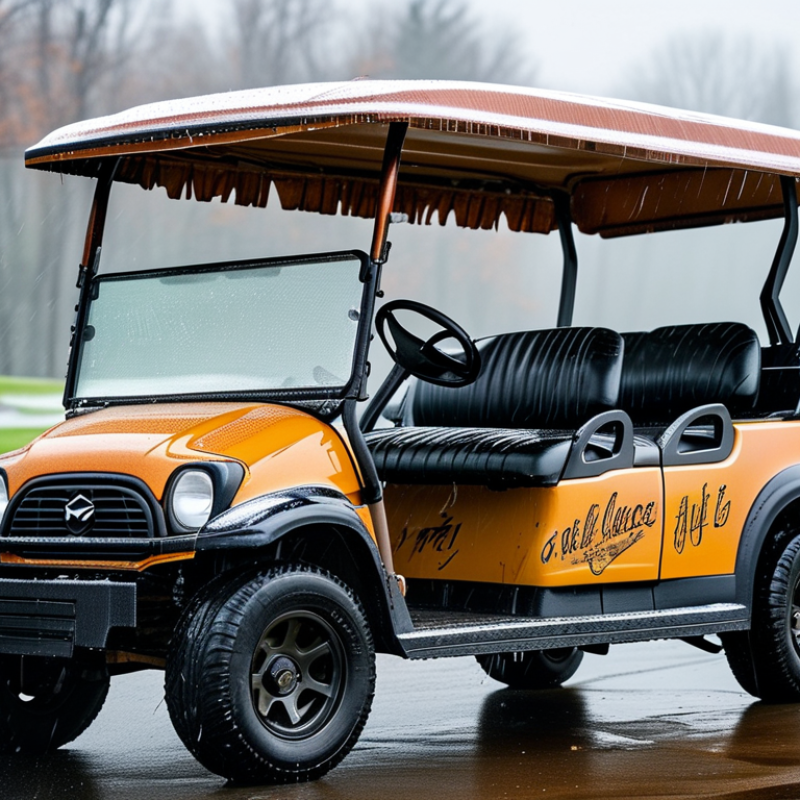
Weather protection is vital for golf carts in various climates. Carts are often exposed to rain, snow, and extreme temperatures. According to a report by the National Golf Foundation, about 80% of golf courses in the U.S. face inclement weather challenges. This exposure can lead to damage in electronics, upholstery, and battery life.
In hot climates, the sun’s UV rays can deteriorate the materials of a cart. An average golf cart can experience temperature spikes of up to 30 degrees Fahrenheit on sunny days. This can affect not just the cart’s appearance but also its performance. On the other hand, rainy or snowy conditions can result in rust and corrosion. The Golf Course Superintendents Association points out that moisture can seriously affect the structural integrity of a cart over time.
While many golf cart owners may overlook weather protection, the cost of repairs can accumulate quickly. In a study from the International Journal of Golf Science, it was noted that maintenance costs could increase by 40% without proper weather care. Preventive measures, such as covers and indoor storage, are essential for extending a cart's lifespan. These methods preserve not only aesthetics but also functionality. Reflecting on personal experiences often reveals that neglecting weather protection can lead to unforeseen expenses.
Weather protection is vital for golf carts. Rain and humidity can significantly affect how these vehicles perform. When a golf cart gets wet, the electrical components become vulnerable. Water can seep into the wiring, causing shorts or failures. This damage might not be immediately visible, but it can lead to costly repairs down the line. Humidity can also cause mold to develop in upholstery, resulting in unpleasant odors and deterioration.
To enhance your golf cart's longevity, consider using waterproof covers. These covers safeguard against rain and moisture. Keeping your cart inside a garage or a sheltered area can also protect it from the elements. Regular maintenance is essential. Check the battery regularly for any signs of corrosion caused by humidity. Clean and dry the cart after each use, especially on damp days.
Investing in quality flooring and seating materials that resist moisture can prevent further issues. Avoiding standing water can help maintain the cart's integrity. Remember, a little effort now can save you time and money in repairs. By taking proactive measures, you can keep your golf cart in top shape for years to come.
UV exposure can have significant effects on golf cart materials and electronics. Prolonged sun exposure can fade colors and degrade plastics. The dashboard and upholstery are particularly vulnerable. When the materials break down, it affects the overall aesthetics and functionality of the cart.
Electronics also suffer from UV rays. Prolonged exposure can lead to malfunctioning displays and deteriorating wiring. This can cause performance issues, making a golf cart less reliable on the course. Replacing damaged electronics is often costly and time-consuming, leading to frustration for owners.
Protecting a golf cart from UV damage is essential. Using covers or parking in shaded areas can help mitigate damage. Regular maintenance can prolong the life of the materials and electronics. Awareness of these issues is crucial for any golf cart owner. Ignoring UV effects might lead to bigger problems down the road.
| Material/Electronic Component | UV Resistance Rating | Potential Damage from UV Exposure | Recommended Protection Method |
|---|---|---|---|
| Plastic Components | Low | Cracking and discoloration | Use UV-resistant covers |
| Vinyl Upholstery | Moderate | Fading and brittleness | Apply protectants and store indoors |
| Electronic Components | Moderate | Overheating and failure | Install shade and ventilation |
| Paint Finish | Low | Oxidation and peeling | Use protective wax or sealant |
| Battery | Low | Reduced lifespan | Maintain in a shaded area |
Weather events significantly impact golf courses. In the last decade, reports show a 30% increase in severe weather occurrences affecting golf areas. Heavy rainfall and high winds are among the most disruptive. For instance, approximately 40% of golf rounds are lost due to poor weather conditions. These disruptions can severely affect revenue and course maintenance.
The National Oceanic and Atmospheric Administration (NOAA) recorded over 100 major storms affecting the Midwest alone last year. Storms directly impact course playability, leading to potential loss of business. Additionally, many courses report damage to facilities and equipment due to extreme weather. These losses underline the necessity of effective weather protection measures.
Understanding weather patterns is crucial for golf course management. Investing in weather protection not only preserves equipment but ensures continuity of operations. Courses face ongoing challenges with evolving weather trends. A proactive approach is essential to mitigate these effects and sustain long-term success.
Investing in weather protection accessories for golf carts offers significant long-term savings. According to a 2022 report from the National Golf Course Owners Association, roughly 60% of golf cart damages result from exposure to adverse weather. This statistic emphasizes the importance of safeguarding your investment. Protecting carts from rain, hail, and UV rays can significantly reduce repair costs, allowing course operators to maximize profitability.
When considering the cost of protective accessories like covers and canopies, it’s essential to evaluate the return on investment. A well-designed cover might cost around $200, while the average repair for water damage can exceed $1,000. Thus, the upfront cost pays off quickly. However, not all accessories may offer adequate protection. Some cheaper options may not withstand harsh weather conditions, leading to more expenses over time.
Moreover, protecting golf carts enhances their longevity. Research indicates that carts maintained under weather protection can last up to 30% longer than those left exposed. This extended lifespan means fewer replacements and a lower environmental impact. While investing in quality weather protection may seem costly initially, it ultimately leads to financial and operational efficiency. Addressing these concerns can help ensure informed decisions when upgrading equipment.
: Rain makes electrical components vulnerable. Water can cause shorts or failures in wiring.
Humidity can lead to mold in upholstery. This results in unpleasant odors and deterioration.
Use waterproof covers and keep the cart in a garage. Shelter helps prevent moisture damage.
Regular checks can identify battery corrosion and moisture issues. Maintenance prevents costly repairs later.
UV rays can fade colors and degrade plastics. This affects aesthetics and functionality of the cart.
Prolonged exposure leads to malfunctioning electronics. This results in performance issues and costly repairs.
There has been a 30% increase in severe weather occurrences in the last decade. This disrupts play.
About 40% of rounds can be lost due to bad weather conditions. This affects revenue significantly.
Effective weather protection preserves equipment and ensures continuity. It is crucial for long-term success.
Understanding weather patterns helps management. A proactive approach mitigates potential negative impacts.
Weather protection is crucial for golf carts, particularly in diverse climates where rain, humidity, and UV exposure can significantly affect performance and durability. These environmental factors can lead to corrosion, damage to electronic components, and degradation of materials, resulting in costly repairs or early replacement. By understanding "why is weather protection important for golf carts," owners can recognize the need for protective accessories that shield their carts from harsh weather.
Moreover, a cost-benefit analysis reveals that investing in weather protection not only enhances the longevity of golf carts but also improves their resale value. With increasingly frequent weather events impacting golf courses, adapting to these changes through proper care and protection ensures that golf carts remain functional and reliable for years to come. Proper weather protection is not just an expense; it's a smart investment in the maintenance and efficiency of golf carts.
E-par Golf Cart