Learning how to make a golf cart street legal begins with classification, not cosmetic upgrades. A vehicle imported from a China supplier may look road-ready, yet appearance proves very little. In the United States, many jurisdictions treat qualifying carts as low-speed vehicles, while others apply different local rules. The exact requirements can change by state, county, and road speed limit. Check official DMV, transport authority, and municipal sources before ordering parts.
Former NHTSA Acting Administrator Ann Carlson has stated, “Safety is our mission.” That principle should guide every supplier conversation. Ask for the vehicle identification number, compliance documents, owner’s manual, weight rating, and available certification records. Confirm whether the model was designed for applicable Federal Motor Vehicle Safety Standards. A qualified technician should inspect the braking system, steering, tires, lighting, mirrors, windshield, seat belts, horn, turn signals, and parking brake. Some areas also require a slow-moving vehicle emblem or specific lighting positions.
Do not trust a seller’s phrase, “street legal,” without written proof. It may describe one market, not yours. That is an easy mistake. I would also question vague claims about “DOT approved” parts, because approval language can be incomplete or misunderstood. After installation, arrange the required inspection, title, registration, insurance, and plate process through your local authority. Keep invoices and photographs of every modification. The process may feel slower than expected. It is still safer than discovering a missing belt, weak brake, or incorrect lamp after purchase. This guide explains how to make a golf cart street legal with practical checks, supplier questions, and responsible verification.
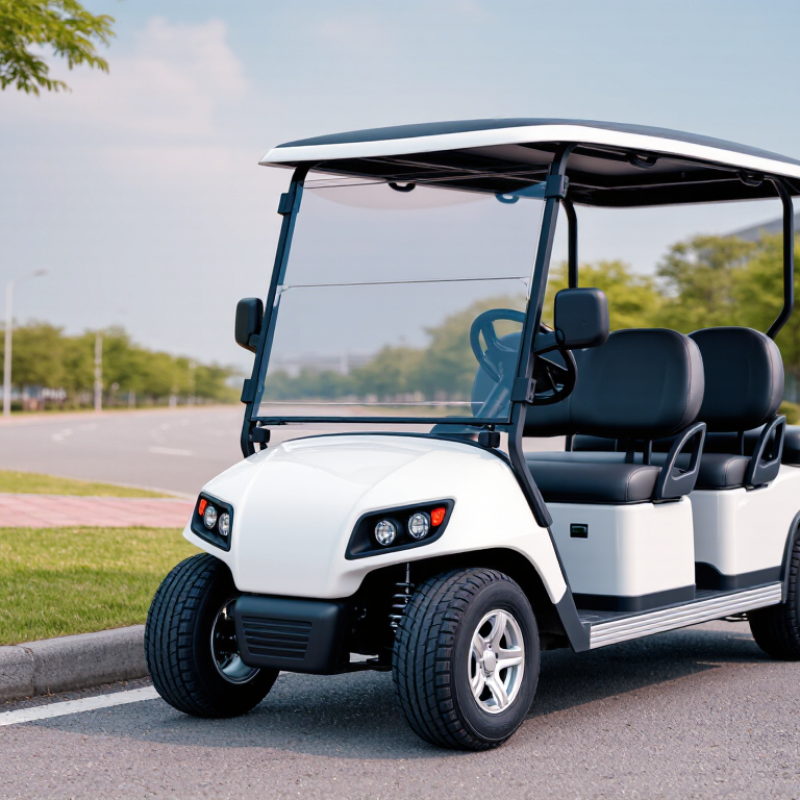
A golf cart from a China supplier becomes street legal only when it meets your local vehicle rules. “Street legal” is not a universal specification. Some jurisdictions classify golf carts separately, while others require low-speed vehicle approval. Contact the transport department, vehicle registry, or municipal authority before ordering. Ask for the current requirements in writing.
Check the required equipment carefully. Common items include a verifiable VIN, headlights, brake lights, turn signals, reflectors, mirrors, a horn, windshield, seat belts, parking brake, and road-approved tires. Local rules may also set limits for top speed, vehicle width, lighting height, and seating positions. Requirements change. Do not rely on a supplier’s general compliance statement.
Request technical drawings, test reports, wiring details, the certificate of origin, and an owner’s manual. Confirm that the VIN format is accepted by your registration office. The vehicle may also need an inspection, insurance, taxes, and a registration plate. A shipping document proves importation, not road eligibility. This distinction is easy to miss. Before paying, send the proposed specifications to the local authority or a qualified inspection professional. A model that passed inspection elsewhere may still fail because of its lights, tires, or speed setting. I would also leave room for correction, since written regulations can be unclear and local officials may interpret them differently.
U.S. Low-Speed Vehicle Equipment Requirements Under FMVSS No. 500
The chart groups the ten equipment elements specified for U.S. low-speed vehicles under Federal Motor Vehicle Safety Standard No. 500. A low-speed vehicle is generally designed for speeds of 20–25 mph. Before importing or modifying a golf cart, confirm its vehicle classification, required equipment, registration, insurance, road-speed limits, and local operating rules with the relevant state and local authorities.
Choosing a compliant golf cart begins with its legal category, not its paint color. In the United States, NHTSA defines a low-speed vehicle as having four wheels, a top speed above 20 mph, and no more than 25 mph. Its gross vehicle weight rating must remain below 3,000 pounds. Requirements can differ by state, city, and road type. Check the destination authority before placing an order.
Ask the China supplier for a complete compliance file. It should include the vehicle identification number, certification label, lighting specifications, brake details, seat-belt installation records, and tire ratings. A street-ready unit commonly needs headlights, taillights, turn signals, reflectors, mirrors, a windshield, parking brakes, and safety belts. NHTSA’s Federal Motor Vehicle Safety Standard 500 lists core equipment for low-speed vehicles. Missing paperwork is a warning sign.
Request clear photos of labels and wiring before payment. A pre-shipment inspection should test braking distance, steering response, lighting, horn function, and belt anchorage. The U.S. Department of Energy’s Alternative Fuels Data Center identifies low-speed vehicles as a distinct transport category, helping buyers separate them from ordinary recreational carts. That distinction matters.
I would also confirm battery shipping documents and charger compatibility. My earlier mistake was trusting a supplier’s “street legal” wording without checking local registration rules. Supplier claims need independent verification.
Making a golf cart street legal from a Chinese supplier begins with verification, not appearance. In the United States, NHTSA Federal Motor Vehicle Safety Standard 500 defines Low-Speed Vehicle equipment requirements. These include headlights, taillights, stop lamps, turn signals, reflectors, mirrors, a windshield, seat belts, and a parking brake. The vehicle must also meet the applicable speed and weight limits. A decorative light bar is not a substitute for compliant lighting.
Ask the supplier for the vehicle specification sheet, VIN details, wiring diagram, brake data, battery information, and test reports. Check every item against the destination state’s registration rules. Some states require a horn, windshield wipers, side reflectors, or additional safety equipment.
CPSC injury surveillance reports have estimated more than 15,000 golf-cart-related emergency injuries annually in the United States. That figure makes seat-belt anchoring and braking performance practical concerns, not paperwork details. I would test the brakes on a quiet private area, although one inspection cannot replace certified testing.
Import records deserve the same attention. Request a commercial invoice, packing list, bill of lading, certificate of origin, VIN list, battery transport documents, and conformity declarations. For lithium batteries, UN 38.3 test evidence and a proper safety data sheet may be necessary during transport. Customs classification can affect duties and clearance. Errors are expensive. Supplier documents may also contain inconsistent vehicle weights or model numbers. Compare them before payment, and have a qualified local inspector review the cart before registration. A supplier’s statement of “street legal” is only a claim. Local authorities decide.
Importation starts before the vehicle leaves China. Ask the supplier for the commercial invoice, packing list, bill of lading, certificate of origin, VIN records, and technical specifications. Confirm the correct customs classification with a licensed broker. A low purchase price can change after freight, duty, port handling, inspection, and inland delivery costs. The process is rarely tidy.
For the United States, NHTSA defines a low-speed vehicle as a four-wheeled vehicle reaching 20–25 mph. Its gross vehicle weight rating must remain below 3,000 pounds. Federal Motor Vehicle Safety Standard 500 also requires equipment such as headlights, turn signals, tail lamps, reflectors, mirrors, seat belts, a parking brake, and a windshield. These are regulatory facts, not supplier promises. Request test evidence and photographs before payment. A pre-shipment inspection should verify the VIN, tire markings, braking performance, steering, lighting, battery security, and charger safety. I would not rely on a checklist alone; missing evidence creates expensive delays.
After arrival, arrange an independent inspection and compare every component with the approved specification. Some vehicles need additional mirrors, wipers, reflectors, seat belts, or speed controls. Local authorities may also require registration, insurance, title documents, and a safety certificate. State and municipal rules can differ sharply. Even a vehicle meeting federal LSV standards may fail a local inspection. A qualified technician should document each modification with dated photographs and test results. That record is useful when an inspector questions the original configuration.
Buying a golf cart from a China supplier does not automatically make it street legal. Public-road rules vary by country, state, and municipality. Confirm the required vehicle class with your local transport authority before placing an order.
Ask the supplier for the vehicle identification number, commercial invoice, certificate of origin, safety test records, and ownership documents. Check that the lights, mirrors, turn signals, seat belts, windshield, horn, tires, and parking brake meet local standards. Some areas also require a maximum speed rating, reflective markings, or specific braking equipment. A pre-shipment inspection can reveal loose wiring, weak welds, or incomplete fittings. Small defects matter.
After import, arrange a local inspection if required. Submit customs paperwork, ownership proof, and compliance documents for registration and license plates. Then purchase road-use insurance that covers the registered vehicle and its intended operation. A normal household policy may not provide enough protection. Ask the insurer in writing.
Before driving, test the cart on private property. Check steering response, brake distance, lighting, and battery performance. Keep the registration, insurance evidence, and inspection papers in the vehicle. Operators may need a valid license, minimum age, and approved restraint use. Requirements can change, and supplier advice may be incomplete. I would verify every detail directly with the authority, even when the cart looks fully equipped. Appearance is not approval.
Confirm whether the vehicle qualifies as a low-speed vehicle. In the United States, it usually has four wheels and reaches 20–25 mph. Its gross vehicle weight rating must stay below 3,000 pounds. Rules can vary by state, city, and road type.
Request the vehicle identification number, certification label, and technical specifications. Also ask for lighting details, brake information, tire ratings, and seat-belt records. Request the commercial invoice and packing list. Missing paperwork is a warning sign.
A street-ready vehicle commonly needs headlights, tail lamps, and turn signals. It may also need reflectors, mirrors, a windshield, and a parking brake. Safety belts and a working horn are important. Check local rules before relying on this list.
Ask for clear photographs of labels, wiring, tires, and safety equipment. A pre-shipment inspection should test braking distance and steering response. It should also check lights, the horn, belt anchorage, and battery security. Photos are useful. But photos cannot replace testing.
Prepare the invoice, packing list, bill of lading, and certificate of origin. Keep VIN records and complete technical specifications available. Use a qualified customs broker to confirm the correct classification. Import costs may include freight, duties, port handling, inspection, and inland delivery.
Yes. Local authorities may require additional mirrors, reflectors, wipers, or speed controls. They may also request registration, insurance, title documents, or a safety certificate. Rules can differ sharply between nearby cities. Check the destination authority directly.
Arrange an independent inspection before using it on public roads. Compare every component with the approved specification. A qualified technician should document modifications with dated photographs. Keep braking and lighting test results. Records help explain changes during inspection.
Confirm battery shipping documents before payment. Check that the charger matches the battery type, voltage, and local electrical supply. Inspect battery mounting, cables, connectors, and protective covers. A small mismatch can cause delays or damage. I once trusted a “street legal” claim too quickly.
How to make a golf cart street legal depends on the rules in your local jurisdiction. Start by identifying the required speed capability, lighting, mirrors, seat belts, braking systems, safety markings, and other road-use equipment. Then choose a suitable golf cart from a reliable China supplier and request complete specifications, product certifications, battery or motor information, and import documents before placing an order. Confirm that the vehicle can be adapted to meet your local standards and that its paperwork matches the actual configuration.
After importation, arrange customs clearance, a professional safety inspection, and any required modifications, such as adding approved lights, turn signals, reflectors, windshield equipment, or additional safety features. Once the cart passes inspection, apply for registration, obtain legally required insurance, and complete any title or identification procedures. Always follow local operating rules, including speed limits, road restrictions, passenger limits, and equipment maintenance requirements, so the golf cart can be used responsibly and legally on public roads.

E-par Golf Cart