Reducing golf cart operating costs is essential for individuals and businesses alike. Many people overlook the financial impact these costs can have. Understanding how to reduce operating costs of a golf cart can lead to significant savings over time.
There are various factors affecting these expenses, including maintenance, energy consumption, and depreciation. Small changes can yield big results. Regular maintenance can prevent costly repairs.
Also, optimizing energy usage is crucial. Switching to energy-efficient models or utilizing solar charging are effective strategies. However, it's important to recognize that not all solutions will be suited for everyone. Evaluating your specific needs is key to making informed decisions.
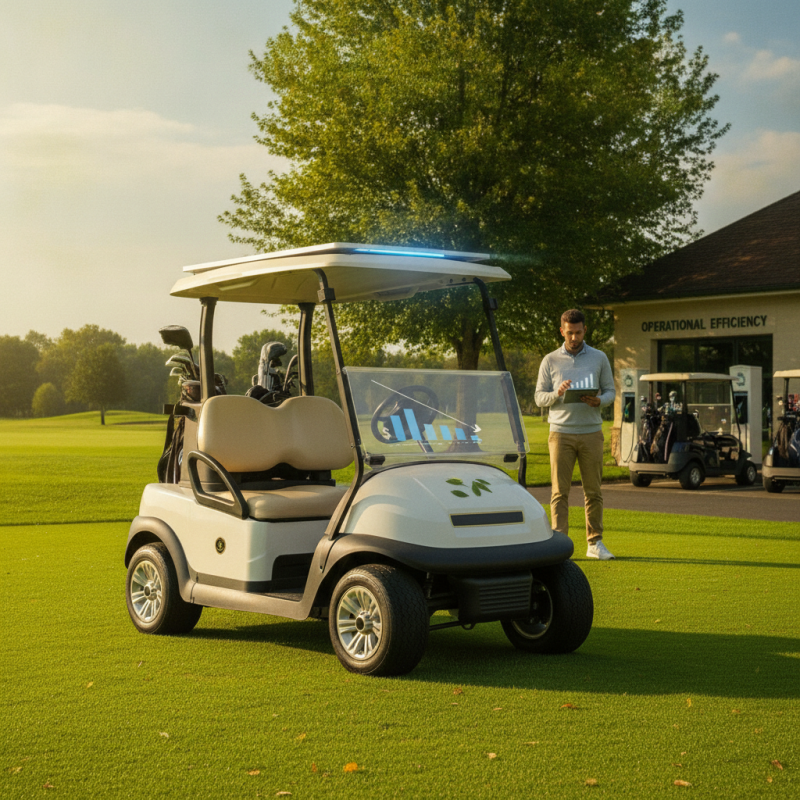
Golf cart operating costs are crucial for any golf course management. These costs include maintenance, fuel, and insurance expenses. Keeping a close eye on these factors can help in significant savings.
For instance, regular maintenance can prevent high repair bills later. Small issues should not be ignored, as they can escalate quickly.
Fuel efficiency is another key aspect. Electric carts might be more beneficial than gas-driven models. They reduce fuel costs and offer quieter operation. Nevertheless, battery replacement can be a hidden expense. Understanding these potential costs will help with budget planning.
Insurance must also be part of the cost equation. While it may seem like a burden, proper coverage protects against potential liabilities. Not factoring in these costs can lead to financial strain. We should always reflect on where oversights can occur. Without awareness, any slight miscalculation could impact profitability.
Maintaining a golf cart involves various factors that influence costs. Regular maintenance is crucial for longevity. Neglecting minor issues may lead to costly repairs. Understanding these factors can help you save money.
Consider the battery. Poor battery care leads to premature failure. Checking water levels and cleaning terminals can extend battery life. Many overlook this, yet it’s vital for performance.
Tires also play a significant role. Worn-out tires affect safety and efficiency. Regularly inspecting and replacing tires ensures optimal performance. Additionally, tire pressure should be checked often. This helps avoid unnecessary expenses.
Another factor is seasonal preparation. Winterizing your cart can prevent damage from cold weather. Inspect the brakes and lights before the season starts. A little preparation can prevent big problems later. By staying proactive, you keep your costs down while enjoying your time on the course.
Reducing fuel consumption in golf carts is crucial for both economic and environmental reasons. Fuel costs can add up quickly, impacting your overall budget. Many cart owners overlook simple adjustments that can make a significant difference. Regular maintenance is a key factor. Checking tire pressure and keeping them inflated can improve fuel efficiency. When tires are underinflated, it causes additional drag and increases fuel usage.
Driving habits also play a role. Smooth acceleration and deceleration can reduce fuel consumption significantly. Avoiding rapid starts and harsh braking helps maintain steady speeds. Consider using golf paths instead of shortcuts through rough terrains. Shorter distances can lead to increased fuel use due to added strain on the engine.
Moreover, evaluating your golf cart's weight can aid in fuel reduction. Removing unnecessary items can lighten the load and improve efficiency. While convenience is important, keeping the cart as light as possible can lead to better performance. Reflect on your usage patterns and why costs may be rising. Analyzing these factors may provide insights for better management in the future.
Regular maintenance for golf carts is vital for reducing operating costs. The National Golf Course Owners Association states that proper upkeep can increase a cart's lifespan by up to 30%. Small, routine checks can prevent larger issues down the line. For instance, tire inflation, battery checks, and brake inspections can save owners significant repair bills.
Ignoring maintenance may lead to drastic expenses. A study by the Golf Course Superintendents Association found that unmaintained carts can result in 20% higher fuel costs. Simple tasks like cleaning the battery terminals or lubricating moving parts can boost efficiency. However, many operators overlook these critical steps, exposing themselves to preventable costs.
Some operators choose to delay maintenance. This can seem financially harmless at first, but long-term consequences may arise. Equipment failures can disrupt operations and harm customer satisfaction. Investing in regular maintenance fosters reliability and extends the life of golf carts. Ultimately, focusing on maintenance enhances both operational efficiency and cost-effectiveness.
Upgrading golf cart technologies can lead to significant cost savings. Newer models often use energy-efficient batteries and lightweight materials. These features reduce power consumption and maintenance expenses. When evaluating the cost-benefit, consider the upfront investment versus long-term savings. A well-chosen upgrade can pay off within a few years.
Many golf course operators have hesitated due to the initial costs. However, the operational savings can justify the investment. For instance, newer carts often have lower repair rates. This means less downtime for essential services. If the budget allows, performing a cost analysis is crucial. Understand your current expenses and compare them with potential savings from upgrades.
Some may question the real value of such upgrades. There are instances where newer technologies did not perform as expected. This invites reflection on research and decision-making processes. Balancing innovation with practical needs remains a challenge. Each golf facility should assess its unique circumstances before proceeding. Use data and real-life examples to guide your decisions.
: Main costs include maintenance, fuel, and insurance. Each aspect needs careful attention to avoid overspending.
Regular maintenance can prevent larger repair bills and prolong the cart's lifespan. Small issues can quickly escalate if ignored.
Electric carts often offer better fuel efficiency and quieter operation. However, battery replacement is a hidden cost to consider.
Check tire pressure regularly. Properly inflated tires can significantly reduce fuel consumption and improve performance.
Smooth acceleration and deceleration can lower fuel use. Avoid rapid starts and harsh braking for better fuel efficiency.
Insurance protects against liabilities. Not factoring this into costs can create financial strain in the long run.
Removing extra items reduces weight and improves efficiency. Keeping the cart light can enhance both fuel economy and performance.
Ignoring maintenance can lead to higher fuel costs and equipment failures, harming customer satisfaction and finances.
Well-maintained golf carts ensure reliable service, contributing positively to customer experience and satisfaction levels.
Analyzing usage patterns and potential oversights can uncover reasons for rising costs and inform better management decisions.
Reducing golf cart operating costs is essential for maximizing efficiency and minimizing expenses for both personal and commercial use. Understanding the various components that contribute to these costs, such as maintenance and repair expenses, is crucial. Factors like the frequency of use, the type of terrain, and environmental conditions can significantly influence maintenance needs.
To effectively address "how to reduce operating cost of a golf cart," adopting strategies to lower fuel consumption is imperative. Regular maintenance not only ensures the longevity of the cart but also helps in identifying potential issues early, saving costs in the long run. Additionally, evaluating the cost-benefit of upgrading to more energy-efficient technologies can further enhance operational savings. By focusing on these areas, operators can achieve significant reductions in their overall golf cart expenses.

E-par Golf Cart