Storing a golf cart properly can extend its life and maintain optimal performance. Understanding how to store a golf cart for a long time requires attention to detail and care. Proper storage protects the battery, body, and tires from the elements.
A key factor in long-term preservation is a clean environment. Remove dirt and debris from the cart. Consider using a breathable cover to protect it while allowing humidity to escape. Indoor storage is ideal, but if that isn't possible, choose a shaded area. Extreme temperatures can lead to damage.
Battery maintenance is essential. Disconnect the battery and ensure it is fully charged. Check fluid levels regularly. Leaving a battery connected may lead to potential issues. Reflecting on these simple steps can significantly enhance the longevity of your golf cart, though each individual's setup may need specific adjustments.
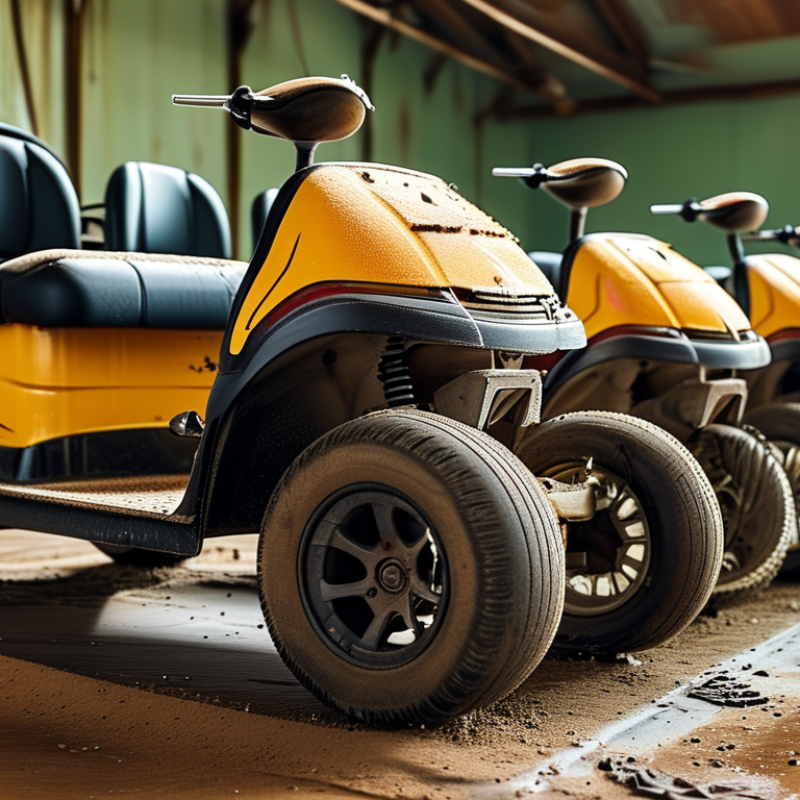
Storing a golf cart properly is crucial for its longevity. Over time, neglecting storage can lead to significant issues. Batteries can lose charge, tires can become flat, and bodies can suffer from rust. A well-preserved golf cart can last many years longer than one left out in the elements.
When preparing your golf cart for long-term storage, consider the environment. A dry and climate-controlled space is ideal. It helps to prevent moisture buildup, which can lead to corrosion and mold. Additionally, elevate the cart to avoid tire flat spots. Use a tarp or cover to protect it from dust and debris.
It's essential to check the battery status and clean the terminals. Disconnecting the battery can prevent drainage. If the cart has any fuel, using a fuel stabilizer is wise. These small steps can save you from costly repairs later. Neglecting these details can lead to frustration when you need the cart most.
Long-term storage of a golf cart requires careful preparation. Begin by cleaning the exterior and interior thoroughly. Remove any dirt and debris to prevent corrosion. Check the battery, as it may need maintenance before storage. A fully charged battery will help prevent sulfation.
Inspect the tires for wear and ensure they are properly inflated. Flat spots can develop over time if the cart is stationary. To avoid this, consider placing the cart on jack stands. Keep the tires off the ground, reducing the risk of damage.
When storing your golf cart, choose a clean, dry location. High humidity can lead to rust. Cover the cart with a breathable material to protect it from dust and moisture. Regularly check on it during storage to address any potential issues before they worsen. Remember to reflect on the condition of your cart before each storage period. Regular maintenance checks ensure safety and reliability when you return to it.
Storing a golf cart properly is crucial for its long-term health. A study by the National Golf Foundation suggests that proper storage can extend the lifespan of golf carts by up to 30%. Before storing your cart, check the battery's state. Make sure it's fully charged to prevent sulfation. If you leave the battery partially charged, damage could occur over time.
Inspecting the tires is essential too. They should be inflated to the recommended pressure. Low tire pressure can lead to flat spots. A survey from the National Association of Home Builders indicates that improper tire maintenance can reduce tire life by up to 15%. Additionally, clean the cart's exterior to prevent dirt buildup and oxidation. Use a mild detergent and rinse thoroughly.
Fluids also need attention. Change the oil if your golf cart uses it. Old oil can cause engine damage over time. It's easier to overlook these basic checks than it seems, but neglecting them can lead to significant issues later. Store your cart in a cool, dry place to minimize environmental damage. A controlled climate can reduce potential rust and degradation.
When storing a golf cart for long-term preservation, the environment plays a crucial role. The ideal storage temperature should be between 50°F and 80°F. Humidity levels should stay below 50% to prevent rust and mold. Excess moisture can damage fabric and metal components. Research shows that humidity control significantly extends the life of machinery and equipment.
Choosing the right location is key. A climate-controlled space reduces the risk of temperature fluctuations. Ensure the area is dry and free from direct sunlight. UV rays can degrade the paint and plastic parts over time. Consider covering your cart with a breathable cover.
To keep your golf cart in top shape, check the batteries regularly. Over time, batteries can leak if not maintained. During storage, inflate tires to the recommended pressure to prevent flat spots. Regularly inspecting the cart will help you discover any issues before they become major problems. Remember to use a stable platform for storage; this reduces strain on different components.
| Storage Condition | Optimal Value | Recommended Duration | Maintenance Tips |
|---|---|---|---|
| Temperature | 60°F - 80°F (15°C - 27°C) | Indefinitely | Check for temperature extremes |
| Humidity | 40% - 60% RH | Indefinitely | Use a dehumidifier if necessary |
| Light Exposure | Minimal | Indefinitely | Store in a dark space or cover |
| Battery Storage | Fully charged | Check monthly | Use trickle charger if needed |
| Tire Pressure | Manufacturer's Spec | Before long-term storage | Inflate to recommended levels |
| Fuel System | Fill tank with fuel stabilizer | Indefinitely | Run engine for a few minutes |
Storing a golf cart for the long term requires careful attention to battery and tire care. For batteries, it's crucial to clean the terminals to prevent corrosion. After cleaning, fully charge the battery before storage. Disconnecting the battery is also essential to reduce the risk of drainage. Regularly checking the battery every few months can ensure it stays in good condition, but this step is often overlooked.
When it comes to tires, maintaining the right pressure can prevent flat spots. Inflate tires to the recommended pressure before storage. A good approach is to either elevate the cart or place plywood under the tires to avoid direct contact with the ground. This step might seem tedious but can save you from having to replace tires later. It’s easy to forget such details, but they are crucial for long-term preservation.
Many people assume that their golf cart will be fine without special care. However, neglecting these aspects can lead to costly damage over time. Being proactive about battery maintenance and tire care can prevent headaches down the road. Taking time to ensure your cart is properly stored can make a significant difference when you’re ready to hit the course again.
: Proper storage extends the life of your golf cart and prevents issues like rust and battery drainage.
Store the golf cart in a dry, climate-controlled space between 50°F and 80°F to avoid damage.
Inflate tires to the recommended pressure and elevate the cart or use plywood for support during storage.
Clean the terminals, fully charge the battery, and disconnect it to prevent drainage.
Neglect can lead to costly repairs and issues when you need the cart most. Regular checks help avoid problems.
Humidity above 50% can cause rust and mold, damaging the cart's components. Control humidity for better preservation.
Yes, use a breathable cover to protect it from dust and debris while allowing moisture to escape.
Check the battery every few months to ensure it remains in good condition and prevent leaks.
Yes, overlooking details like battery care and tire maintenance can result in significant issues later.
Yes, regular inspections help you identify and fix issues before they escalate into major problems.
Proper storage of a golf cart is crucial for maintaining its longevity and performance. When considering how to store a golf cart for a long time, it's important to understand the necessary steps involved. Begin by thoroughly preparing your golf cart, which includes cleaning it, checking fluid levels, and ensuring all components are in good condition. Essential maintenance checks, such as inspecting the battery and tires, are vital to prevent any deterioration during the storage period.
Creating optimal environmental conditions is equally important; store your golf cart in a dry, temperature-controlled area to avoid damages from humidity and extreme temperatures. Additionally, implementing best practices for battery and tire care, such as disconnecting the battery and properly inflating the tires, can significantly enhance the cart’s preservation during extended periods of inactivity. Following these guidelines will help ensure your golf cart remains in excellent condition for future use.

E-par Golf Cart