Tire maintenance is often overlooked in the realm of golf cart care. However, it plays a pivotal role in enhancing performance and safety. In 2026, the focus on tire upkeep has become essential. Why do golf carts need tire maintenance? A recent industry report indicates that 30% of golf carts experience tire-related issues due to neglect. This statistic highlights the need for regular checks and servicing.
Many golf cart owners underestimate the impact of tire condition on overall vehicle performance. Poor tire maintenance can lead to decreased traction, longer stopping distances, and increased wear on other components. The Golf Cart Manufacturers Association emphasizes that maintaining proper tire pressure can improve efficiency by 15%. This is crucial in a time when energy efficiency is paramount.
Despite these facts, many owners wait until a problem arises before taking action. Such a reactive approach can be costly and unsafe. By establishing a regular tire maintenance schedule, owners can ensure not only a smoother ride but also greater longevity for their carts. It's time to reflect on these practices to foster a reliable and enjoyable golfing experience.
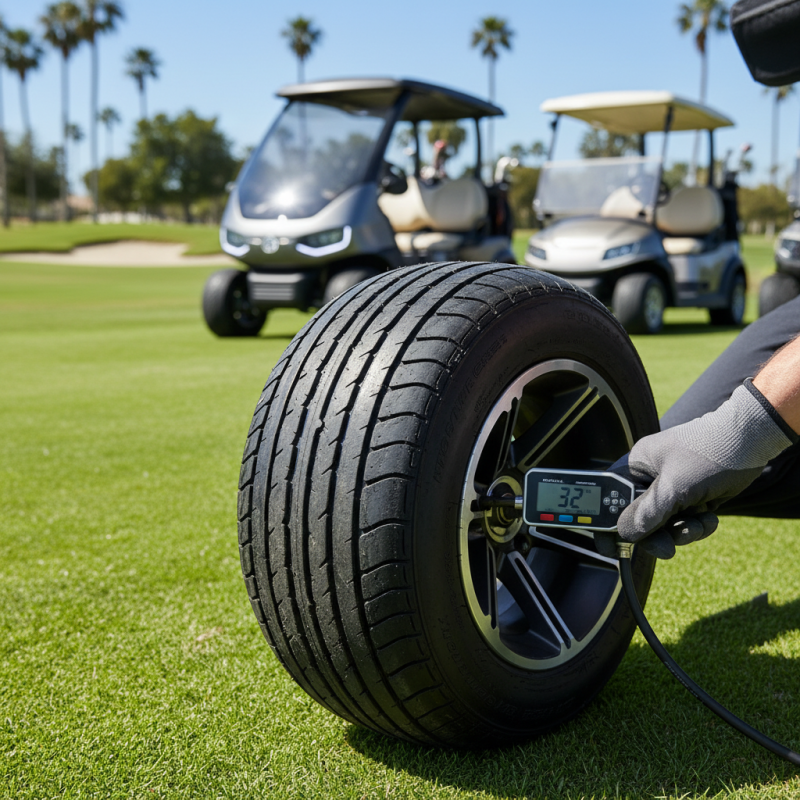
Tire maintenance for golf carts is essential for optimal performance and safety. In 2026, industry reports suggest that approximately 25% of golf cart accidents are related to poor tire conditions. This highlights the need for regular inspections and maintenance to prevent mishaps on the course.
Proper tire pressure plays a critical role. Under-inflated tires can lead to increased wear and reduced handling. According to the Tire Industry Association, maintaining the pressure within recommended levels can enhance tire life by up to 30%. Golf cart owners should check tire pressure weekly, especially before a game.
Tire tread depth is another important factor. Insufficient tread can decrease grip on wet surfaces, increasing the risk of skids. Experts recommend a tread depth of at least 1/8 inch for safe operation. It's wise to replace tires showing signs of uneven wear or damage.
Tips: Always inspect tires before use. Look for cracks, bulges, or foreign objects. When in doubt, consult with a tire professional. Regular maintenance can save money long-term and improve safety.
In 2026, golf cart owners face several common tire issues that require attention. One major problem is
uneven wear. Golf cart tires often wear unevenly
due to improper inflation or misalignment. This can make rides uncomfortable and may affect the handling
of the cart. It's important to regularly check tire pressure
and alignment to prevent these issues.
Another concern is punctures and leaks. Golf carts
typically operate on varied terrains, making tires vulnerable. Sharp objects like rocks or thorns can
cause punctures. Regularly inspecting tires for cuts or debris is crucial. An unnoticed leak can lead to
flat tires and unexpected repairs.
Lastly, tire aging is a silent yet significant issue.
Tires have a limited lifespan, even if they appear fine. Cracking or dryness in the rubber can lead to
sudden blowouts. Golf cart owners should inspect the age of their tires. Replacing them proactively can
ensure safety on the course. Regular maintenance, combined with awareness of these issues, can enhance performance
and safety.
Maintaining tires on golf carts is essential for safety and performance. In 2026, proper tire maintenance will help optimize efficiency and prolong the lifespan of your vehicle. Regularly checking tire pressure is a basic yet vital practice. Under-inflated tires can lead to poor handling and increased wear.
Inspecting the tread is also crucial. Worn-out tires compromise traction, especially on wet grass. A quick visual check can reveal irregular patterns or bald spots. Rotating tires every few months can help distribute wear evenly. Don't forget to examine sidewalls for cuts or bulges as well.
Balancing and aligning tires can enhance ride comfort. Misalignment can cause uneven wear and steering issues. Keeping spare tires handy is a smart move, too. It can save time during unexpected flat incidents. While these tasks may seem minor, neglecting them can lead to significant problems down the road. Regular tire maintenance is not just a chore; it’s an investment in safety and performance.
| Maintenance Practice | Recommended Frequency | Benefits |
|---|---|---|
| Tire Pressure Check | Weekly | Ensures optimal performance and fuel efficiency |
| Tread Inspection | Monthly | Prevents skidding; prolongs tire life |
| Alignment Check | Every 6 months | Improves handling and extends tire lifespan |
| Rotation | Every 2,000 miles | Promotes even wear on all tires |
| Cleaning and Debris Removal | Monthly | Enhances tire aesthetics and prevents damage |
Proper tire maintenance is essential for golf cart performance. Tires are the only contact point between the cart and the ground. Well-maintained tires ensure better traction, stability, and control. This is especially important on varied terrains like greens and hilly paths. Neglecting tire health can lead to uneven wear. This not only affects performance but can also cause safety issues.
Another crucial aspect is tire pressure. Under-inflated tires create more rolling resistance. This means the engine works harder, reducing efficiency. Over-inflated tires can lead to a harsh ride and increased risk of blowouts. Regularly checking tire pressure can prevent these problems. Keeping tires properly aligned improves longevity and performance. A misaligned wheel can create a serious safety hazard.
Aging tires can develop visible cracks and lose grip. Low tread depth can lead to skidding, especially in wet conditions. Periodic inspections are necessary to identify these issues early. Learning to care for tires can save money in the long run. Golf cart owners must prioritize regular maintenance. Only through diligence can they ensure safety and enjoyment on the course.
The performance of golf carts heavily relies on proper tire maintenance, affecting factors such as traction, safety, and fuel efficiency. Below is a bar chart illustrating the impact of regular tire maintenance on various performance metrics for golf carts.
In 2026, golf carts are evolving, requiring a significant focus on tire technology and maintenance. As golf courses incorporate new terrain features, tire performance becomes paramount. Today’s golf cart tires are being engineered to enhance traction and durability on varied surfaces. However, many users neglect proper maintenance, which can lead to quicker wear and safety issues. Regular inspections should include checking for alignment, proper inflation, and tread depth.
Emerging trends indicate a shift towards eco-friendly materials for tire production. Biodegradable tires are making waves in the market. They offer an environmentally conscious alternative to traditional rubber tires. However, while these innovations are promising, they may require different maintenance routines. Golf cart owners must stay informed about these changes to ensure safety and performance on the course. It’s crucial to adapt to these technological advancements, yet many carts remain stuck with outdated tires.
As innovations progress, tire pressure monitoring systems are becoming common. These systems alert drivers to low pressure, enhancing safety. Yet, some users may still overlook tire care, which poses risks. Awareness and education are essential for maximizing performance. Embracing these trends will play a significant role in enhancing both the longevity of golf cart tires and the overall golfing experience.
: Tire maintenance ensures optimal performance and safety, reducing the risk of accidents on the course.
Check tire pressure weekly, especially before a game, to maintain proper handling.
A tread depth of at least 1/8 inch is recommended for safe operation on wet surfaces.
Inspect for cracks, bulges, and foreign objects. This can prevent issues before they arise.
Regularly maintain the correct tire pressure and rotate tires every few months to distribute wear.
Neglecting tire maintenance may lead to poor handling and increased risk of accidents.
Yes, it enhances ride comfort and prevents uneven wear and steering problems.
Uneven wear, bald spots, or visible damage indicate it may be time for a replacement.
Yes, having spare tires ready can save you time in case of unexpected flats.
Yes, it reduces long-term costs by prolonging tire life and improving safety.
Tire maintenance is crucial for golf carts, especially in 2026, as it directly impacts their performance and longevity. Properly maintained tires ensure safety, improve handling, and enhance fuel efficiency, which is essential for optimizing the overall golfing experience. Common tire issues faced by golf carts include under-inflation, uneven wear, and damage from rough terrains, all of which can lead to costly repairs or accidents.
Effective tire maintenance practices, such as regular inspections, proper inflation, and timely replacements, can significantly mitigate these issues. As technology advances, future trends in golf cart tire design and maintenance promise improved durability and performance features. Therefore, understanding "why do golf carts need tire maintenance" is key for any owner looking to enhance their cart's reliability and enjoyment on the course.
E-par Golf Cart