Golf carts have become essential for both recreational and commercial use. Understanding what affects golf cart battery life the most is crucial for maximizing their utility. According to industry reports, the average lifespan of a golf cart battery is 5-7 years. However, many users experience premature failure due to various factors.
Temperature plays a significant role in battery performance. Extreme heat can decrease battery lifespan by more than 30%. Additionally, the battery's charging habits can lead to issues. Overcharging or deep discharging can reduce longevity. Regular maintenance is also essential. Neglecting to clean terminals and check water levels can shorten battery life significantly.
Moreover, the quality of the battery itself is vital. Choosing low-quality batteries may seem economical, but it is not a long-term solution. Users need to recognize the long-term costs of poor battery choice. Understanding these elements can lead to better decision-making and ultimately enhance the golf cart experience.
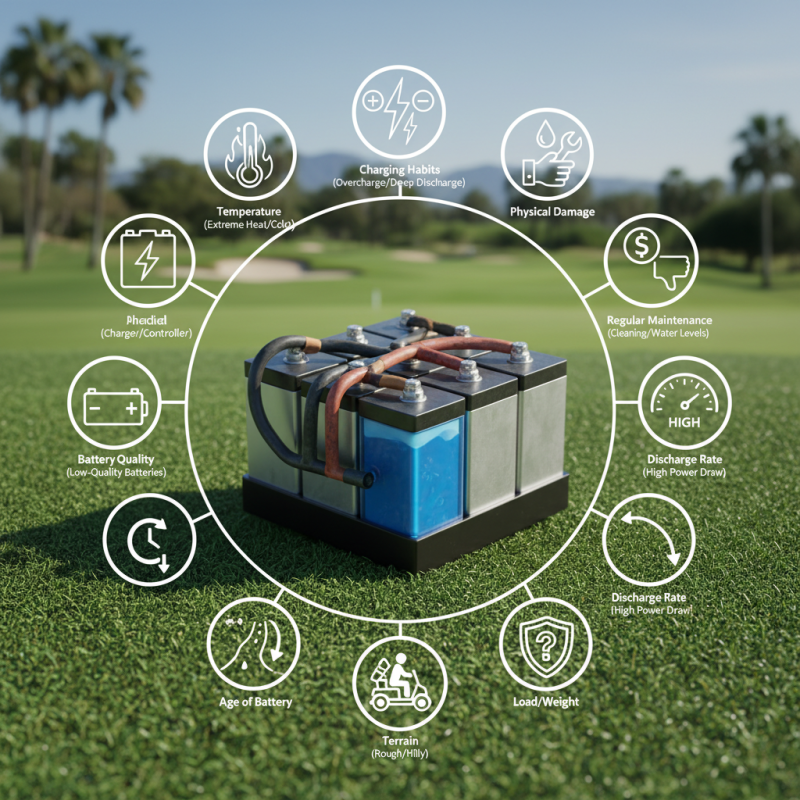
The quality of golf cart batteries plays a crucial role in their longevity and performance. Several factors influence how long the battery lasts. One significant aspect is temperature. Extreme heat or cold can devastate battery life. Batteries generally perform best in moderate temperatures. Regularly check the temperature of the environment where the cart is stored.
Another important factor is maintenance. Proper care can extend battery life significantly. Keeping terminals clean and connections tight ensures efficient power delivery. Water levels in batteries should be checked often, especially in lead-acid types. This small step can prevent premature wear.
Tips: Always store batteries in a temperature-controlled environment. It might seem obvious, but many overlook this step. Avoid deep discharges and try to keep the battery charged. Investing a little time in maintenance pays off long-term. Relying on the last charge can lead to regret.
Lastly, the type of charger used affects battery health. Using the wrong charger can cause overcharging or undercharging. This can lead to irreversible damage. Understanding these factors is vital for anyone invested in the longevity of golf cart batteries.
Understanding the chemistry behind golf cart batteries is crucial for maximizing their lifespan. Most golf carts utilize lead-acid batteries, which have a specific chemical composition. These batteries work through a series of chemical reactions involving lead dioxide and sponge lead in an electrolyte solution of sulfuric acid. This chemistry is basic yet effective, but it is also sensitive. Overcharging can lead to overheating, thus shortening battery life.
Temperature plays a significant role in battery longevity as well. High temperatures can increase the rate of chemical reactions, leading to faster degradation. Cold weather can slow down these reactions, affecting performance. Monitoring your battery’s operating environment is essential. Different conditions can accelerate wear and tear, raising concerns about reliability and efficiency over time.
Regular maintenance and proper charging practices enhance battery life. Over time, sulfation can occur, which builds up lead sulfate crystals on the battery plates. Judicious use of charging and discharging cycles helps mitigate this issue. While this all seems straightforward, many overlook these factors. Small changes in behavior can lead to significant differences in performance and lifespan. Understanding these details is vital for every golf cart owner aiming for sustainable use.
Charging practices significantly influence the lifespan of golf cart batteries. Research indicates that improper charging techniques can reduce battery life by up to 50%. Regularly overcharging batteries can lead to overheating. This shortens their operational capacity and efficiency.
It’s critical to follow recommended charging cycles. Many manufacturers suggest charging after each use, but not all users do. Surveys show that around 30% of golf cart users neglect this advice. This neglect may lead to sulfation, which can permanently damage the battery plates.
Monitoring charging times is vital. Ideally, a battery should charge for 8 to 12 hours. Many users frequently disconnect chargers too early, limiting performance. A study indicates that only 15% of users regularly follow charging guidelines. This inconsistency raises concerns about battery reliability and longevity.
Golf carts operated under these conditions often experience reduced range and increased maintenance issues, making it essential for owners to be informed and diligent about their charging practices.
Environmental conditions play a critical role in determining the lifespan of golf cart batteries. Factors such as temperature, humidity, and terrain can significantly impact battery performance. Research indicates that extreme temperatures can reduce battery efficiency by up to 30%. For instance, high heat can accelerate chemical reactions inside the battery, leading to quicker deterioration.
Humidity also has notable effects. High humidity can cause corrosion within battery terminals, which compromises connectivity. According to a study by the Battery Council International, moisture can lead to a 20% decrease in overall battery life. This statistic highlights the importance of proper maintenance and monitoring, especially in areas prone to heavy rainfall or high humidity.
Terrain changes add another layer of complexity. Batteries used on hilly or uneven surfaces must work harder, which drains them faster. A report from the National Renewable Energy Laboratory shows that operating under challenging conditions can deplete battery capacity by as much as 25% compared to flat terrains. Recognizing these environmental impacts is crucial for extending battery life and reliability.
Proper maintenance is key to extending the lifespan of your golf cart battery. Regularly check the battery water levels. Low water can lead to reduced performance. Fill the cells with distilled water, avoiding overfilling. Clean the terminals and connectors to prevent corrosion. Dirty terminals can hinder power flow, causing inefficient charging.
Charging habits also matter. Avoid letting the battery fully discharge. Try to recharge after each use. This practice helps maintain the health of the battery. Understand the ideal charging time, usually between four to eight hours. Overcharging can be damaging. Monitor your charging habits closely.
Think about your usage patterns. Frequent short trips may not fully charge your battery. Longer, consistent drives can help keep the battery healthy. Temperature also plays a role; extreme heat or cold can affect the battery's capacity. Store your golf cart in a temperature-controlled environment. A few minor adjustments can significantly improve battery life.
: Extreme heat or cold can severely reduce battery performance. Moderate temperatures work best for longevity.
Regularly check water levels, keep terminals clean, and ensure tight connections to promote efficiency.
Yes, high humidity can cause corrosion, leading to a significant decrease in battery lifespan.
Uneven surfaces require more power. This can drain the battery quickly, reducing its capacity over time.
Avoid deep discharges and recharge after each use to maintain battery health, typically waiting four to eight hours.
Using the wrong charger can cause overcharging or undercharging, potentially leading to irreversible battery damage.
Yes, store it in a temperature-controlled space to prevent damage from extreme temperatures and humidity.
Check water levels regularly, especially in lead-acid batteries, to prevent performance drops.
This can lead to premature wear and reduced battery efficiency, so consistent charging is important.
Yes, frequent short trips may not fully charge the battery, while longer drives can help maintain its health.
In the article "China Top 10 Factors Impacting Golf Cart Battery Life," various elements influencing the longevity of golf cart batteries are explored. Key factors impacting the quality of golf cart batteries include understanding battery chemistry, which plays a significant role in their durability. Proper charging practices are highlighted as critical since incorrect methods can severely shorten battery lifespan. Environmental conditions also have a substantial influence, as exposure to extreme temperatures and humidity can degrade battery performance.
Additionally, regular maintenance tips are provided to help extend the lifespan of golf cart batteries. These practices emphasize that what affects golf cart battery life the most includes not only how the batteries are cared for during operation but also how they are maintained in the long run. By paying attention to these factors, owners can enhance the performance and longevity of their golf cart batteries.

E-par Golf Cart