China Best Golf Cart Tires Why Do They Need Maintenance?

Time:2026-09-15 Author:Madeline
0%

China’s best golf cart tires are built for quiet rides, steady handling, and repeated use. However, even a durable tire can lose performance without regular care. On a sunny course, a cart may cross grass, gravel paths, wet areas, and sharp turns within minutes. Each surface affects the tread and sidewalls differently. A tire that looks acceptable may already be underinflated or unevenly worn.

Why do golf carts need tire maintenance? Proper maintenance protects traction, steering control, passenger comfort, and tire life. Experienced technicians usually inspect pressure, tread depth, sidewall cracks, valve stems, and wheel alignment. They also check for nails, stones, and flattened areas after long storage. A pressure difference of only a few pounds can make one side of the cart sit lower. That small change may increase rolling resistance and reduce battery range. It is easy to miss.

The right maintenance routine depends on the tire design, cart weight, climate, and terrain. China-made golf cart tires can perform reliably when matched with suitable loads and operating conditions. Still, quality does not remove the need for inspection. Before each regular use, examine the tread and remove embedded debris. Check pressure with a calibrated gauge, not by pressing the rubber with a thumb. Replace tires when cracks deepen, tread becomes uneven, or handling feels unstable. A practical checklist helps, although no checklist catches everything. Careful records, manufacturer guidance, and professional inspection provide a more dependable basis for choosing and maintaining golf cart tires.
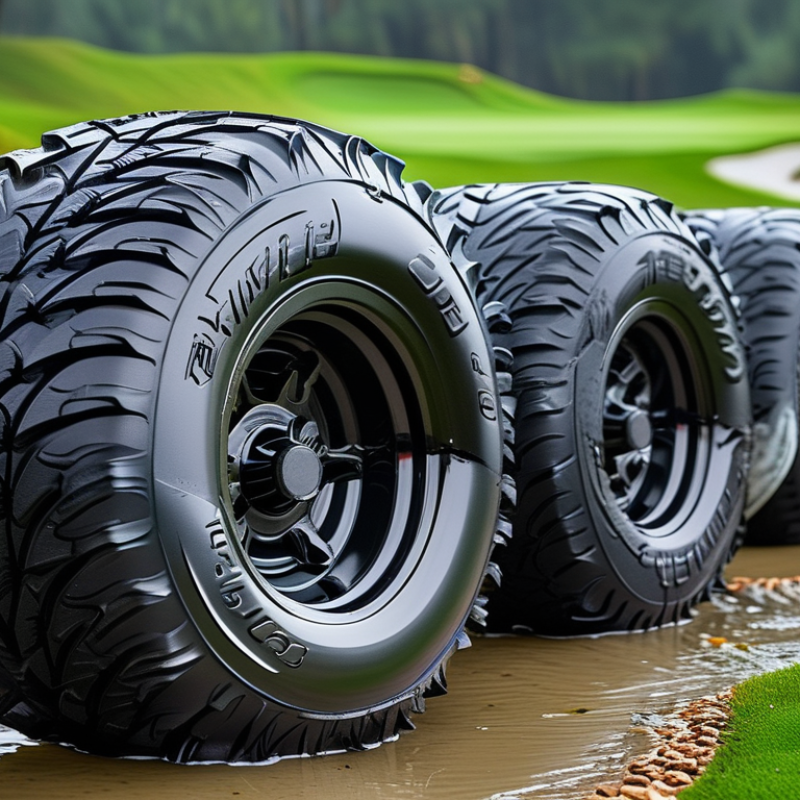
China Best Golf Cart Tires Why Do They Need Maintenance?

What Makes China’s Best Golf Cart Tires Different?

China’s best golf cart tires are not defined by origin alone. Their difference comes from material control, tread design, and production consistency. Many use rubber compounds adjusted for heat, dust, and frequent low-speed turning. This matters on concrete paths and uneven resort roads.

In practical maintenance, I check tire pressure before the cart carries passengers or heavy equipment. Cold tires give more reliable readings. Uneven wear often reveals alignment problems, loose suspension parts, or repeated sharp turns.

A stronger sidewall can support daily work, but it cannot correct poor inflation. Tire rotation may also help, although the schedule depends on the cart’s drive system and load pattern.

Tread depth is only one detail. I also inspect small cracks near the bead, exposed cords, and flat spots after long storage. Some tires look impressive but wear quickly when overloaded. That deserves attention. Manufacturers may offer consistent molding and reinforced construction, yet quality can still vary between production batches. Buyers should verify load ratings, dimensions, date codes, and test documentation instead of trusting appearance. Maintenance is sometimes treated as a minor task. It should not be. A pressure gauge, visual inspection, and gentle driving can protect both tire life and handling.

Why Golf Cart Tires Need Regular Maintenance

Golf cart tires need regular maintenance because small defects can quickly affect steering, braking, and stability. A cart may feel harmless at low speed, but uneven pressure changes how firmly each tire contacts the ground. The U.S. Tire Manufacturers Association recommends checking tire pressure when tires are cold, inspecting tread and sidewalls monthly, and following the vehicle maker’s pressure guidance. Never rely on appearance alone.

Pressure matters greatly. Underinflation increases heat, rolling resistance, and sidewall flex. Overinflation reduces the contact patch and may create a harsh, unstable ride. The National Highway Traffic Safety Administration recorded 738 deaths and about 32,000 injuries from tire-related crashes in 2017 across U.S. road vehicles. Golf carts are not included as a separate category, but the report shows why tire care deserves attention. A gauge is more reliable than a thumb test.

Look closely at the tread before every busy day. Remove stones, watch for cracks, and check whether one shoulder is wearing faster than the other. Uneven wear can suggest poor alignment, bent parts, or incorrect pressure. Rotate tires only when the tire design and cart manufacturer allow it. Replace damaged tires, even when tread remains. A quick inspection is not a perfect guarantee. Still, five careful minutes beside the cart can prevent a rough ride, premature replacement, or a sudden loss of control.

How to Inspect Golf Cart Tires Step by Step

Golf cart tires need regular maintenance because low pressure, uneven wear, and damaged sidewalls can affect steering and braking. This matters on both paved paths and uneven grass. A careful inspection takes only a few minutes.

Park the cart on level ground and switch off the power. Check each tire when it is cold. Use a pressure gauge, not a visual guess. Inspect the tread for bald areas, embedded stones, or separated rubber. Run your hand gently along the surface, but avoid sharp objects. Examine both sidewalls for cracks, bulges, cuts, and exposed cords. Look closely around the valve stem and rim edge. A leaking valve may cause slow pressure loss. I once trusted a tire that looked firm, but the gauge showed low pressure. That mistake caused uneven wear.

Tips: Compare all four tires, because one different pattern can reveal alignment or load problems. Measure tread depth with a simple gauge when possible. Tighten loose valve caps and remove small stones carefully. Do not repair a tire with a serious sidewall cut. Replace it through a qualified tire professional. Check the wheel nuts for looseness, but use the cart manufacturer’s torque specification. Tire pressure guidelines can differ by tire size and cart design, so confirm the correct value before inflating. Inspect monthly, and check again after long storage or rough driving.

China Best Golf Cart Tires: Why Do They Need Maintenance? — How to Inspect Golf Cart Tires Step by Step
Step Inspection Dimension What to Check Recommended Maintenance or Action Why It Matters
1 Safety preparation Park the golf cart on a firm, level surface, switch it off, remove the key, and apply the parking brake. Keep hands and clothing away from moving parts. If a wheel must be removed, use suitable wheel chocks and a properly rated jack and support stands. Prevents unexpected movement and reduces the risk of injury during inspection.
2 Tire pressure Check pressure with a reliable gauge when the tires are cold. Use the pressure listed on the tire sidewall, vehicle label, or owner’s manual. Adjust all tires to the vehicle manufacturer’s specified pressure. Do not use a pressure rating higher than the permitted limit. Incorrect pressure can affect handling, braking, comfort, range, and tread wear.
3 Tread depth Measure tread depth at several points across the tread, not only in the center. Look for wear bars or the minimum limit required by local regulations. Replace the tire when the tread reaches the legal or manufacturer’s minimum, or when wear is uneven or severe. Usable tread helps maintain traction, especially on wet or loose surfaces.
4 Tread wear pattern Inspect for center wear, shoulder wear, cupping, scalloping, or one-sided wear. Check pressure first, then inspect wheel alignment, suspension components, and wheel balance if the pattern continues. Abnormal wear may indicate incorrect inflation or a mechanical problem.
5 Sidewall condition Look for cuts, cracks, bulges, punctures, abrasions, and exposed cords on both the outer and inner sidewalls. Do not operate the cart with a bulge, deep cut, exposed cord, or significant sidewall damage. Seek professional replacement advice. Sidewall damage can lead to sudden air loss or tire failure.
6 Valve and valve stem Inspect the valve stem for cracking, looseness, corrosion, or air leakage. Apply a small amount of soapy water to identify bubbles. Replace a damaged valve stem or leaking valve core. Refit the valve cap securely after testing. A leaking valve can gradually reduce pressure and create uneven tire loading.
7 Foreign objects Check the tread for nails, screws, stones, glass, or other objects. Do not remove an embedded object before checking whether the tire is losing air. Have a qualified technician assess punctures. Do not use a plug or sealant as a substitute for an approved repair or replacement. Removing an object may release air quickly, and some punctures cannot be safely repaired.
8 Wheel and lug nuts Check for a bent or cracked rim, loose lug nuts, damaged wheel holes, and rust around the mounting area. Tighten lug nuts to the torque specified by the golf cart manufacturer. Replace damaged wheels or fasteners. Loose or damaged wheel hardware can cause vibration, wheel movement, or detachment.
9 Tire size and load rating Confirm that tire size, construction, load capacity, and speed capability are suitable for the cart and its operating conditions. Use matching specifications on the same axle and avoid fitting a tire that cannot support the cart’s maximum loaded weight. Correct specifications support stable handling and help prevent overloading.
10 Age and storage condition Review the tire identification date code where available and inspect stored tires for hardening, dry rot, or weather cracking. Replace tires showing age-related deterioration, even if tread remains. Store tires away from direct sunlight, heat, chemicals, and ozone-producing equipment. Rubber compounds can deteriorate over time and may lose flexibility and strength.
11 Rotation and alignment Compare wear between tires and check whether the cart pulls to one side or the steering wheel is off-center. Rotate tires only when permitted by the tire and vehicle design. Correct alignment problems before fitting new tires. Proper alignment and rotation can promote more even wear and predictable handling.
12 Inspection schedule Perform a visual check before regular use and a more detailed inspection at least monthly or according to the owner’s manual. Recheck pressure after extended storage, heavy loads, long trips, or noticeable changes in handling. Frequent checks help identify slow leaks, damage, and wear before they become safety issues.
Important: Tire pressure, load limits, wheel torque, replacement criteria, and repair procedures must follow the golf cart manufacturer’s instructions, tire sidewall information, and applicable local safety regulations. Replace a tire immediately if it has a bulge, exposed cords, severe cracking, or other structural damage.

How to Maintain Tire Pressure, Tread, and Alignment

China Best Golf Cart Tires: Why Do They Need Maintenance?

How to Maintain Tire Pressure, Tread, and Alignment

Golf cart tires work under frequent starts, tight turns, and uneven paths. In routine maintenance checks, I measure pressure when the tires are cold. The correct figure should match the vehicle’s service guide, not a guess from the tire sidewall. A reliable gauge helps prevent errors. Low pressure can increase sidewall flex and rolling resistance. Excessive pressure can reduce comfort and contact with the ground. Check pressure monthly, and inspect it before carrying extra passengers or equipment.

Tread inspection needs more than a quick glance. Look for uneven wear, exposed cords, cracks, cuts, and objects lodged in the grooves. The center may wear faster when pressure stays high. Both shoulders can wear when pressure remains low. I once ignored a small sidewall crack because the tread looked acceptable. That shortcut was a mistake. Replace a tire when damage reaches its structural layers, even if some tread remains. Small defects can worsen after repeated impacts.

Alignment affects stability and tire life. A cart pulling to one side, vibrating, or showing feathered tread may need inspection. Measure toe and camber with suitable equipment, especially after hitting a curb or rough obstacle. Tire rotation can also support even wear, but it cannot correct damaged suspension parts. Maintenance records should include pressure readings, tread condition, and alignment observations. This simple record makes patterns easier to detect, although I still recheck measurements when results seem unusual.

When to Repair or Replace Golf Cart Tires

Golf cart tires endure more than slow driving suggests. Repeated turns, curb contact, heat, and long parking periods can weaken rubber. The U.S. Tire Manufacturers Association recommends checking inflation, tread, sidewalls, and visible damage monthly. Underinflation is especially risky. It increases heat and shoulder wear.

A repair may be reasonable when a small puncture sits within the tread’s central area. The Tire Industry Association commonly limits professional puncture repairs to injuries about 6 millimeters or smaller. The tire must be removed for internal inspection.

A plug alone is not a reliable repair. Never repair a cut, bulge, exposed cord, or sidewall injury. These defects can cause sudden air loss. Replace the tire instead.

Replacement also makes sense when tread becomes uneven, cracking appears between tread blocks, or vibration continues after balancing. USTMA guidance advises replacing tires at ten years from manufacture, even when tread remains. Golf cart tires may age faster in coastal air or direct sunlight. Check the date code, not only appearance. I have seen owners trust deep tread too much. That judgment can fail. A tire can look usable and still feel brittle under load. When uncertain, have a trained tire technician inspect the casing, valve, rim, and operating pressure. The correct decision is not always the cheapest one.

FAQS

What makes high-quality golf cart tires different?

Their quality depends on rubber control, tread design, sidewall strength, and consistent production. They are not better because of origin alone. A suitable compound handles heat, dust, and repeated low-speed turns.

How often should golf cart tire pressure be checked?

Check pressure monthly and before carrying extra passengers or equipment. Measure cold tires with a reliable gauge. Use the vehicle’s service guide, not a guess.

What happens when tire pressure is too low?

Low pressure increases sidewall flex, heat, and shoulder wear. It can also increase rolling resistance on concrete paths. That is costly.

What happens when tire pressure is too high?

Excessive pressure can reduce comfort and ground contact. The center tread may wear faster. The cart may feel less stable on uneven roads.

Which tire damage requires replacement?

Replace tires with bulges, exposed cords, sidewall cuts, or structural cracks. Do not rely on remaining tread depth. A damaged casing can lose air suddenly.

Can a small puncture be repaired?

A small puncture in the central tread area may be professionally repairable. The injury should generally be about 6 millimeters or smaller. The tire must be removed for internal inspection. A plug alone is not enough.

How can alignment problems be recognized?

Watch for pulling, vibration, feathered tread, or uneven shoulder wear. These signs may follow a curb strike or rough impact. Check suspension parts too. Rotation cannot fix damaged components.

When should golf cart tires be replaced because of age?

Consider replacement at ten years from the manufacturing date, even with usable tread. Sunlight, coastal air, and long storage can harden rubber sooner. Check the date code. Appearance can deceive.

Conclusion

China’s best golf cart tires are designed to balance durability, traction, comfort, and stable performance across different surfaces. However, even high-quality tires require regular care. Why do golf carts need tire maintenance? Proper maintenance helps preserve handling, improve safety, reduce uneven wear, and extend tire service life. Regular inspections can also reveal damage before it affects the vehicle’s performance.

A complete inspection should include checking for cracks, punctures, bulges, worn tread, and objects embedded in the rubber. Tire pressure should be measured and adjusted according to the vehicle’s requirements, while tread condition and wheel alignment should be monitored to prevent irregular wear. Tires may be repaired when damage is minor and located in a suitable area, but replacement is necessary when the tread is severely worn, the sidewall is damaged, or aging has weakened the rubber. Consistent maintenance keeps a golf cart more stable, efficient, and reliable.

Madeline

Madeline

Madeline is a dedicated marketing professional with a wealth of expertise in our company's core offerings. With a keen understanding of the industry, she brings a unique perspective to her role, consistently delivering high-quality content that highlights the superior aspects of our products. As......