Why Is Regular Tire Pressure Checking Important?

Time:2026-11-21 Author:Sophia
0%

Why Is regular tire pressure check important? The answer starts with four small contact patches between your car and the road. When pressure drops, steering can feel less precise, braking may suffer, and the tire can wear unevenly. Underinflation also makes tires work harder, which can increase heat and fuel use. A dashboard warning light helps, but it may not alert you to a gradual loss soon enough.

Automotive engineer and educator Jason Fenske offers a useful reminder: “Your tires are the only part of your car that touches the road.” That simple point explains why a monthly check matters. Use a reliable gauge when the tires are cold, then compare the reading with the pressure listed on the driver’s door-jamb placard—not the maximum printed on the tire sidewall. Check the spare, too. It is easy to forget.

A quick look is not enough. A tire can appear normal while sitting several pounds below its recommended pressure. Check again before a long drive, after a sharp temperature change, or when the car feels different on the highway. These checks take only a few minutes, though they are easy to postpone. That is the imperfect part of routine maintenance: people often wait for a warning. Learning Why is regular tire pressure check important is not just about saving fuel; it is about noticing small changes before they become bigger concerns. A gauge, a placard, and a habit can make the difference.
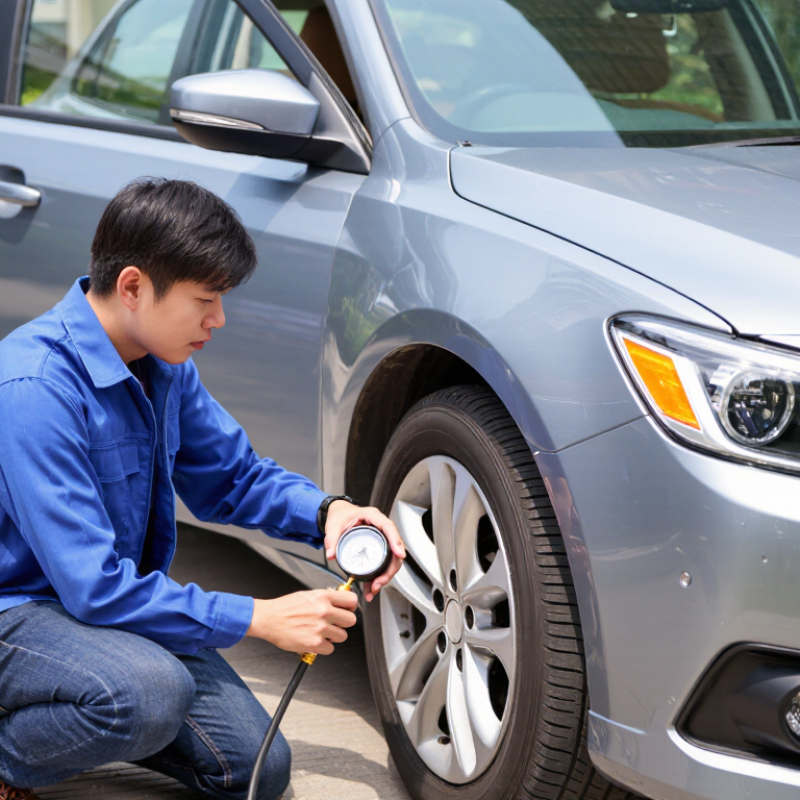
Why Is Regular Tire Pressure Checking Important?

What Tire Pressure Measures and How It Changes

Tire pressure is the air’s force against the inside walls of a tire, measured with a gauge in pounds per square inch (PSI) or kilopascals. The recommended figure is usually listed on the vehicle’s door-jamb label or in its manual. It is not the maximum pressure printed on the tire sidewall. That distinction is easy to miss.

Check the tires when they are cold, ideally before driving or after the car has been parked for several hours. As the air warms during a trip, pressure rises; colder weather usually lowers it. A change of roughly 1 PSI for every 10°F (about 5.5°C) is a useful estimate, though real readings are not perfectly tidy.

A tire that reads low on a frosty morning may be close to its target once warmed, but don’t release air from a warm tire just to match the cold-pressure recommendation. Recheck it later, when cold.

Small habits matter. A monthly check with a reliable gauge can reveal slow leaks before a tire looks visibly soft. I used to judge pressure by appearance; that was not dependable. Load, temperature, and driving can all shift the reading, so the vehicle’s stated cold pressure is the practical reference.

How Inflation Levels Affect Road Grip and Handling

Tire pressure changes how much of the tread meets the road. When a tire is underinflated, its sidewalls flex more with every rotation. That extra movement can build heat and make steering feel slow or vague, especially during a quick lane change. The tread may also wear unevenly, often along its outer edges. Small changes matter.

Overinflation can make the tire’s center carry more of the load, reducing the tread’s useful contact on some surfaces. The ride may feel harsher, and grip over rough or wet pavement can become less consistent. Neither effect is identical on every vehicle; tire design, load, tread depth, and road conditions all play a part. It is easy to assume that a firm-looking tire is properly filled. That is not a reliable check.

Use a gauge on cold tires and follow the pressure listed on the vehicle’s door label or owner’s manual, not the maximum number printed on the tire sidewall. Check all four tires, including the spare if applicable. A dashboard pressure warning is useful, but it may not alert you to a small pressure loss. On a chilly morning, the reading can also differ from one taken after driving. Don’t release air from a warm tire just to match the cold-pressure figure. My own instinct might be to check only when handling feels odd; that is too late for a dependable routine.

Safety Risks of Driving on Underinflated or Overinflated Tires

A tire can look normal while carrying too little air. Underinflation makes its sidewalls flex more and builds heat, especially on a long highway drive or in a heavily loaded car. Heat can damage the tire and raise the risk of failure. NHTSA’s Traffic Safety Facts: Tires reported 738 deaths in tire-related crashes in 2017. That figure covers many tire-related factors; it does not mean pressure caused every crash. Still, pressure is an avoidable risk. It can feel like a fussy chore. Easy to postpone.

Too much air creates a different problem. It can reduce the tire’s contact with the road, weakening grip on wet pavement and making the ride harsher. Wear may concentrate near the center of the tread, while underinflation often wears the shoulders. Small difference. Less grip. Check pressure when tires are cold, using the vehicle’s door-jamb label rather than the maximum figure printed on the tire sidewall. A reliable gauge helps; visual checks alone can miss a meaningful pressure loss. Temperature changes matter, too, so a reading that was correct last month may not be correct today. Regular checks take minutes, though remembering them is the part I might still get wrong.

Why Is Regular Tire Pressure Checking Important? — Safety Risks of Driving on Underinflated or Overinflated Tires

Pressure Condition Illustrative Reading* Potential Effects Safety Concerns What to Do
Correct pressure 35 psi, when 35 psi is the vehicle’s recommended cold pressure Supports the vehicle’s intended tire shape, load capacity, and contact with the road. Helps maintain predictable handling and braking when the tires are in good condition. Check all tires regularly when cold and adjust them to the pressure listed on the vehicle’s placard or in the owner’s manual.
Moderately underinflated 31.5 psi, or 10% below a 35 psi recommendation The tire flexes more as it rolls. This can increase rolling resistance and cause faster or uneven tread wear. Extra flexing can generate heat. Steering response and stability may also be affected, especially at higher speeds or under heavy loads. Inflate to the vehicle’s recommended cold pressure. Check for a leak if the pressure drops again.
Severely underinflated 28 psi, or 20% below a 35 psi recommendation Excessive sidewall flex and heat buildup can damage the tire. The tire may wear rapidly and consume more fuel. Increased heat and structural stress can contribute to tire failure. The vehicle may be less stable and take longer to stop in some conditions. Do not continue driving on a visibly low or damaged tire. Inflate it if safe to do so, and have it inspected; use roadside assistance if necessary.
Overinflated 38.5 psi, or 10% above a 35 psi recommendation The tire may ride more harshly and can wear more in the center of the tread, depending on the tire and vehicle. A harsher ride and reduced ability to absorb road impacts can affect comfort and control. Impacts may be more concerning on rough roads. When the tire is cold, release air carefully until it reaches the vehicle’s recommended pressure. Do not exceed the tire’s stated maximum pressure.
Pressure checked while tires are hot Reading may be higher than the cold pressure Driving warms the tires and usually raises their pressure, so a hot reading may not match the recommended cold setting. Letting air out based only on a hot reading can leave the tires underinflated after they cool. Check pressure before driving or after the vehicle has been parked for several hours. If adjustment is needed while tires are hot, recheck them when cold.
Pressure not checked regularly Pressure can change over time with air loss, temperature changes, or a puncture A tire can become underinflated without an obvious visual change. A tire-pressure monitoring system may warn only after pressure has dropped substantially. A warning light may not identify the cause or show the pressure in every tire. A slow leak can go unnoticed. Use a reliable pressure gauge at least monthly and before long trips. Check the spare tire if the vehicle has one.

Important: The readings above are illustrative examples using a 35 psi recommendation; they are not universal settings. Use the cold tire pressure specified on the vehicle’s door-jamb placard or in its owner’s manual—not the maximum pressure printed on the tire sidewall. Inspect tires for cuts, bulges, or unusual wear, and seek professional help if damage or repeated pressure loss is found.

Effects of Tire Pressure on Fuel Use and Tire Wear

Tire pressure affects how much energy a vehicle needs to move. When tires are underinflated, more of the tread flexes against the road, increasing rolling resistance. The engine then works harder, which can raise fuel use. The change may not feel dramatic on one trip. Over weeks, though, extra fuel costs can accumulate. Check pressure when tires are cold, such as before driving in the morning. A handheld gauge gives a more useful reading than a quick visual glance. Tires can look fine and still be low.

Pressure also shapes tire wear. An underinflated tire often wears faster along both outer shoulders, while an overinflated one can wear more through the center. Either pattern may shorten the tire’s useful life. Not ideal. Use the pressure listed on the vehicle’s door-jamb label or in its manual; the number molded onto a tire’s sidewall is generally its maximum pressure, not the recommended setting for the vehicle. Check all four tires monthly, and before a long drive. Temperature changes can shift readings, so a pressure that seemed right last month may need attention now. It is easy to put off a check when the car drives normally. That habit deserves a second thought.

Why Is Regular Tire Pressure Checking Important?

Underinflated tires can increase fuel use and cause uneven shoulder wear. This chart estimates fuel-economy loss for an example tire rated at 32 psi, using the U.S. Department of Energy guideline of about 0.2% lower fuel economy per 1 psi drop across all four tires. Tire wear effects are described qualitatively because they vary by tire and vehicle.

Takeaway: Check tires when they are cold and inflate them to the vehicle manufacturer’s recommended pressure, usually shown on the driver-side door placard—not the maximum pressure printed on the tire.

When and How to Check Tire Pressure Accurately

Tire pressure is easiest to measure before driving, when the tires are cold. Check them at least once a month and before a long trip, as the National Highway Traffic Safety Administration advises. A short drive can warm the air inside and raise the reading. I have caught myself checking after errands; that number can be misleading. Check them cold.

Use a reliable pressure gauge, remove the valve cap, press the gauge firmly onto the valve stem, and compare the reading with the pressure on the driver’s door placard or in the owner’s manual. Do not use the maximum pressure printed on the tire sidewall as your target. Add air in small amounts, then measure again. Check all four tires, and include the spare if your vehicle has one. NHTSA notes that pressure can drop by about 1 psi for every 10°F decrease in temperature, so seasonal changes matter.

The U.S. Department of Energy and Environmental Protection Agency report that correct inflation improves fuel economy by about 0.6% on average, and up to 3% in some cases. That figure is modest, but it makes a monthly check worthwhile. If a tire repeatedly loses pressure, inspect for a puncture, damaged valve, or rim leak, and have it assessed by a qualified tire professional. A quick glance is not enough.

FAQS

What does tire pressure measure?

It measures the air’s force against the inside walls of a tire. A gauge shows it in PSI or kilopascals.

Where can I find the recommended tire pressure?

Check the vehicle’s door-jamb label or owner’s manual. Use that figure, not the maximum printed on the tire’s sidewall.

When should I check tire pressure?

Check before driving, or after the vehicle has been parked for several hours. Cold tires give the most useful reading. Simple, but easy to forget.

How does temperature affect tire pressure?

Pressure often changes by about 1 PSI for every 10°F change. Cold weather usually lowers it, while driving warms the air and raises pressure.

Should I release air from a warm tire?

No. A warm tire may read above its recommended cold pressure. Recheck it when cold instead of releasing air to match the cold figure.

Can a tire look normal while underinflated?

Yes. It may look fine while its sidewalls flex more and build heat, especially on long drives or with a heavy load.

What problems can overinflated tires cause?

Too much pressure can reduce road contact and grip, especially on wet pavement. The ride may feel harsher, and tread wear may concentrate near the center.

How often should I check tire pressure?

A monthly check with a reliable gauge can reveal slow leaks before a tire looks soft. I used to trust appearances; that was not dependable.

Conclusion

Why is regular tire pressure check important? Tire pressure measures the air inside a tire and can change as temperatures rise or fall, as air gradually escapes, or as the vehicle is used. Keeping pressure close to the vehicle maker’s recommended level helps the tire maintain proper contact with the road, supporting reliable grip, steering, and braking. Pressure that is too low or too high can affect handling and stability, making everyday driving less predictable.

Incorrect inflation can also increase rolling resistance, which may use more fuel, and cause uneven or accelerated tire wear. Checking pressure regularly helps spot changes before they become bigger problems. For an accurate reading, check tires when they are cold, use a reliable pressure gauge, and compare the result with the recommended figure in the vehicle’s manual or on its tire-information label. Remember to check all tires, including the spare if applicable, and adjust pressure as needed.

Sophia

Sophia

Sophia is a dedicated marketing professional with an exceptional depth of knowledge about her company's products and services. With a keen understanding of market trends and customer needs, she crafts insightful blog posts that not only inform but also engage readers, enriching the company’s online......