Explore our certified range of utility and personal mobility vehicles engineered for safety, long battery life, and durability.
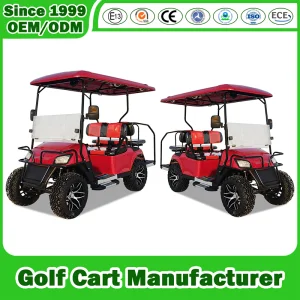
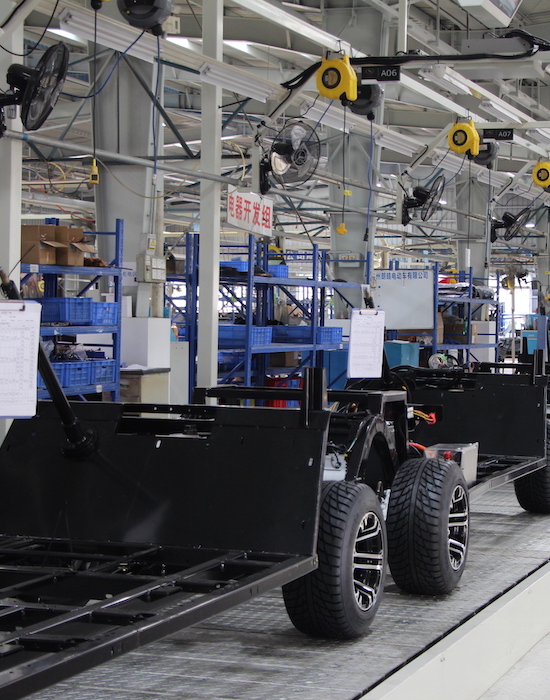
THE BEST IN CLASS MANUFACTURING PLANTS
Over two decades of dedication to micro-mobility and vehicle engineering. We ensure reliable build quality, utilizing certified production methods and rigorous QA cycles to guarantee the lifespan of every chassis.
A professional and experienced team ready to execute specialized customization requests. We translate ergonomic needs and client specifications into highly functional and accessible designs.
Our structures feature proprietary design patterns that protect core mechanical configurations. Engineered to distribute loads dynamically, extending overall body service life under diverse road conditions.
High-strength steel frame longitudinal beam chassis treated with multi-stage industrial electrophoresis and specialized plastic spraying. This ensures high resistance to humidity and salt-fog degradation.
Leverage our comprehensive R&D pipeline to develop market-winning configurations.
We work closely with global dealers to design, prototype, and manufacture custom-branded mobility systems. From specific body kits, customized dashboards, specialized seating, to custom brand logos, our R&D department features over 10 automotive design specialists to materialize your vision.
Accelerate your entry into the medical and personal mobility sectors. Our Original Design Manufacturing (ODM) packages are cost-efficient pathways to scale up production. We handle local regulatory documentation, user manuals, custom decals, and high-performance battery setups, reducing your time-to-market.
We provide comprehensive vehicle procurement programs for luxury resorts, large campuses, public facilities, and municipal projects. With deep expertise across more than 50 countries, including the USA, Maldives, Mexico, and Malaysia, we structure and deliver fleets designed to meet specific regulatory frameworks.
Industrial Shifts, Technology Trends, and Global Procurement Standards
Modern personal electric mobility has undergone a structural transformation. What were once simple battery-powered medical units have evolved into highly complex, smart mobility devices integrated with IoT arrays, active safety features, and optimized battery chemistries. This document explores the technological and commercial factors driving B2B procurement, supply chain resilience, and quality standards for electric wheelchairs and allied micro-mobility solutions.
As health systems transition to outpatient care and home rehabilitation, the international demand for Class II medical mobility devices is accelerating. Sourcing from a top Chinese manufacturer requires adherence to complex quality frameworks. Beyond standard industrial ISO 9001 compliance, partners must ensure alignment with medical device certifications such as ISO 13485, CE MDR, and FDA registrations. These standards require tracing every component, from raw steel alloy tubes to specific PCB configurations within the motor driver.
The core of modern electric wheelchairs lies in their drive efficiency. While traditional lead-acid systems and brushed DC motors remain cost-effective, high-tier applications have shifted to brushless DC (BLDC) motors and advanced lithium iron phosphate (LiFePO4) or ternary lithium battery packs. This shift achieves several structural improvements:
For distributors and brand owners, navigating custom requirements involves managing trade-offs between customization complexity and lead times. A strong manufacturing partner must offer structural modifications (e.g., customized seat frames, heavy-duty suspension designs) alongside electronic changes (e.g., customized control mapping via PG Drives Technology or dynamic Curtis Controllers). Establishing clear Quality Assurance Plans (QAP) prior to pilot production runs minimizes validation times and protects margins.
Environmental durability is a critical performance metric for personal mobility equipment, especially in coastal regions. A robust manufacturing pipeline applies electrophoresis and electrostatic powder coating to the chassis frame to prevent oxidation and structural failure. Dynamic road-simulation tests, drop tests, and battery discharge cycles in temperature-controlled chambers ensure that the vehicles maintain high performance in challenging environments.
Technical & Trade Insights for Sourcing Managers
We supply complete compliance dossiers including ISO 9001 and ISO 13485 certificates. Depending on the target region and model, we provide testing reports aligned with CE MDR, FDA guidelines, and EN 12184 protocols. These reports confirm that structural stability, battery cells, and electromagnetic safety meet international regulations.
We work through a multi-stage R&D workflow. After defining requirements (e.g., customized chassis measurements, paint specifications, or driver interface setups), our engineering team generates 3D CAD files for customer approval. We then build prototypes and run safety validation tests before initiating tooling adjustments and series production.
Traditional spray paints are vulnerable to micro-abrasions that expose structural steel to moisture. Our process cleans, prepares, and treats the frame using an electrophoretic bath to apply a base anti-rust layer. This is followed by a dry powder coating cured under high heat. This process provides durability against salt spray and moisture, extending the service life of our frames.
We offer both lead-acid and lithium battery configurations, with lithium being our primary recommendation for high-tier models. Our lithium systems utilize LiFePO4 cells paired with a Smart Battery Management System (BMS) that monitors cell voltages, balances charge states, and prevents over-current or over-temperature events.
Standard color options require low MOQs. Custom branding (including custom logos, decals, and personalized user manuals) is available for bulk purchases. Our team can detail these thresholds based on the exact parts list and component complexity.
We maintain an inventory of replacement components, including controllers, wheel motors, tires, and frame linkages. For B2B clients, we include a designated set of wear-and-tear parts with volume shipments. We also offer remote engineering support to assist local service technicians.
Engineered for high performance, ease of maintenance, and comfortable operations across varied surfaces.
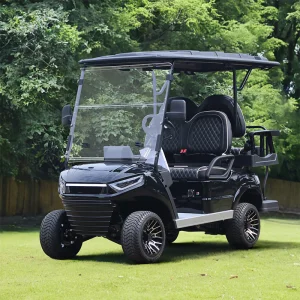
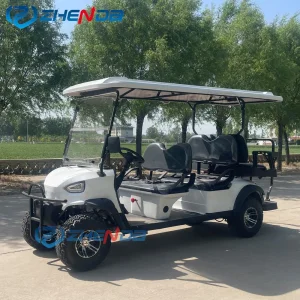
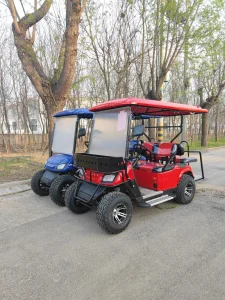
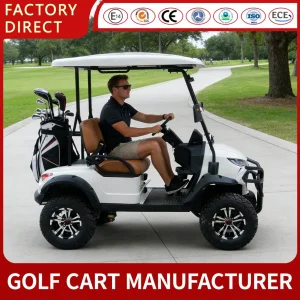
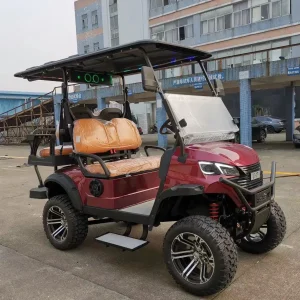
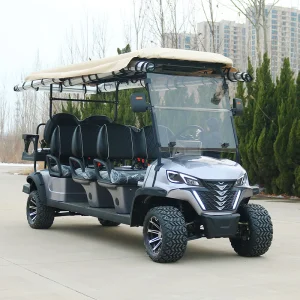
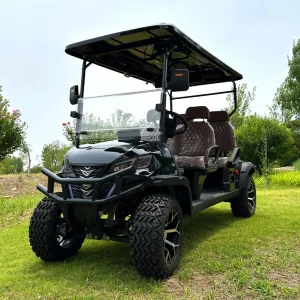
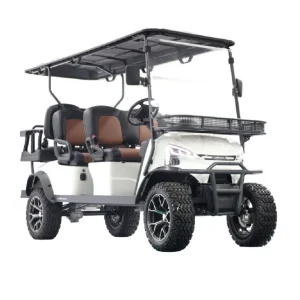
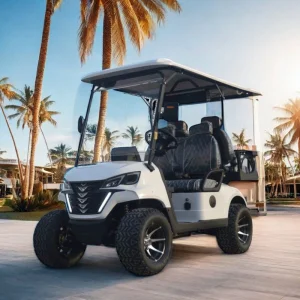
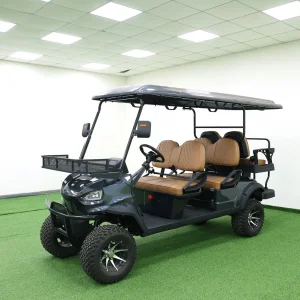
 E-par Golf Cart