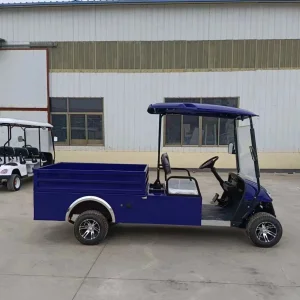
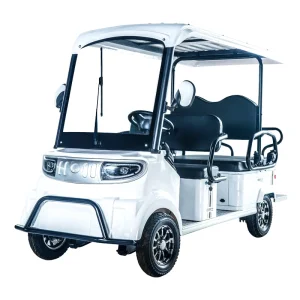
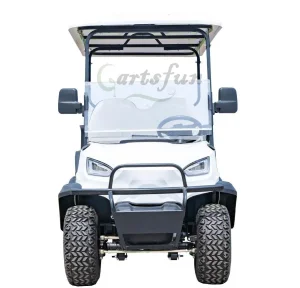
Explore our elite portfolio of high-durability vehicles, custom utility platforms, and multi-passenger transport solutions engineered for optimal performance and maximum terrain capability.
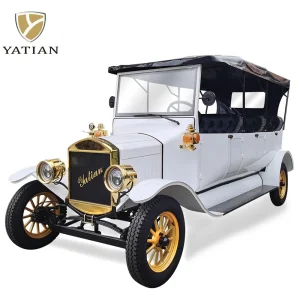
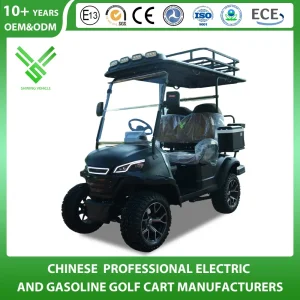
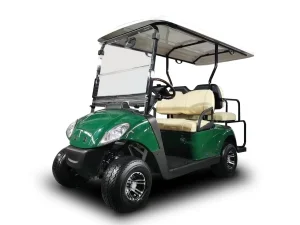
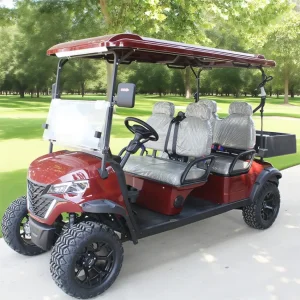
Why leading global distributors and corporate buyers choose our manufacturing plants for custom micro-utility vehicle production.
High-strength structural steel longitudinal beam chassis treated with advanced electrophoresis and multi-layer plastic spraying to resist extreme coastal salt spray.
Over 10 dedicated automotive design practitioners ready to engineer custom body shapes, custom cargo boxes, and tailored engine/power setups to fit your fleet requirements.
Our state-of-the-art facilities conform strictly to ISO standards. Vehicles carry CE, EEC, and DOT certifications, ensuring seamless legal import and operations worldwide.
As micro-mobility requirements scale upward across industrial parks, premium resorts, large-scale medical complexes, and urban distribution hubs, the demand for high-reliability, long-range utility vehicles and gas-powered scooters has reached unprecedented levels. While electric alternatives have gained momentum, gas-powered utility platforms and heavy-duty gas scooters remain the gold standard for applications requiring continuous operations, high payload capacities, resistance to extreme environmental conditions, and areas lacking robust electrical charging infrastructure.
Understanding the operational constraints and efficiency benefits of modern combustion technology is key for fleet managers and procurement departments. In this comprehensive B2B buyer's whitepaper, we dissect the latest industry trends, core manufacturing advancements, and the critical design frameworks that differentiate elite gas scooter manufacturers from standard assembly plants.
Unlike electric fleets which face battery degradation, thermal sensitivity, and long downtime periods during charging, gas utility platforms provide instant refueling, superior torque output for steep terrains, and exceptional longevity under harsh environmental loads. When optimized with modern electronic fuel injection (EFI) systems, these engines achieve high fuel economy with low emissions profile.
Global procurement networks have shifted from buying off-the-shelf light utility vehicles to seeking optimized, purpose-built mobility assets. Industrial clients require platforms that integrate directly into their logistics chains, which means demand has shifted heavily towards custom modular payloads (e.g., custom aluminium cargo boxes, flatbeds, security retrofits, and high-capacity passenger configurations).
In high-throughput environments such as commercial resorts, airport cargo bays, and golf complexes, vehicles must operate on multiple consecutive shifts. Gas-powered utility carts and scooters eliminate the 4 to 8-hour charge cycles associated with battery-powered machinery. A quick 2-minute refuel is all it takes to return a vehicle to 100% capacity.
Battery chemistries perform poorly under freezing temperatures or extreme heat. Tropical resorts in regions like the Maldives, the Caribbean, or Southeast Asia require vehicles that can handle coastal humidity and saline air continuously. Our specialized manufacturing plant focuses on multi-stage electrophoretic coatings and plastic spraying on high-strength longitudinal steel beams. This prevents corrosion and structural degradation, ensuring a service life that outlasts competitive brands by up to 50%.
To deliver unmatched performance, our manufacturing plants continuously refine the structural and thermodynamic properties of our utility carts and scooters. The manufacturing process utilizes robotic laser welding and advanced metallurgy to guarantee structural stability under maximum passenger or cargo loads.
Standard metal coatings peel and crack when exposed to dirt, sand, and moisture. Our chassis undergo a multi-step EPD wash. The metal frame is submerged in an electrostatic bath where paint particles are drawn uniformly to the steel. After curing, a thick protective plastic spray is applied to create a dual-layered seal against moisture, road salt, and physical impacts.
Modern emissions regulations demand cleaner engines. We integrate overhead valve (OHV) and overhead camshaft (OHC) gas engines configured with calibrated carburetors or electronic fuel injection systems. These powerplants maximize thermal efficiency, reduce hydrocarbon emissions, and deliver the necessary high-torque output required to climb 20% inclines carrying full payloads of up to 8 passengers or heavy cargo loads.
We work with established dealers and brands to develop proprietary lines. This includes custom molded front fascia, customized dashboard electronics, customized tire treads, and brand logo placement to match corporate identity.
Our engineering department provides complete layout designs from scratch. We handle design schematics, CAD rendering, FEA stress testing, and prototype testing to turn custom micro-mobility ideas into market-ready fleets quickly.
We supply turnkey transport solutions for large resorts, parks, campuses, and real estate developments. We help size the fleet mix between utility vehicles, multi-passenger vans, and specialized maintenance trucks.
Sourcing vehicles globally requires strict adherence to regional safety and emission regulations. Failure to work with certified manufacturers leads to customs seizures and liability risks. Our production line maintains active certifications across critical global territories:
The micro-utility vehicle industry is rapidly transitioning to meet the needs of smart cities and automated facilities. Our R&D division is focused on three primary areas of development:
Detailed answers to direct inquiries from global procurement officers, distributors, and logistics fleet managers.
Discover more specialized models designed for heavy cargo transport, commercial distribution, off-road tours, and long-range utility operations.
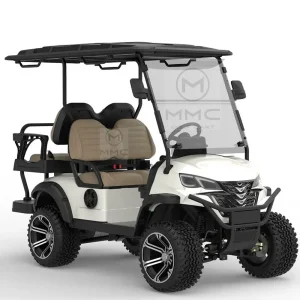
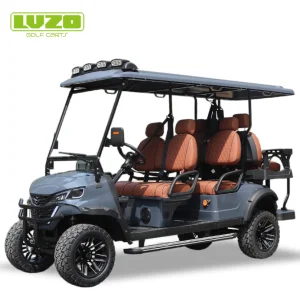
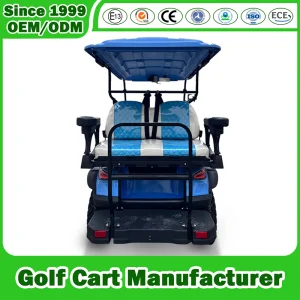
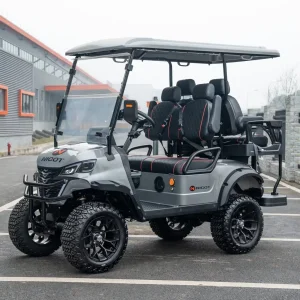
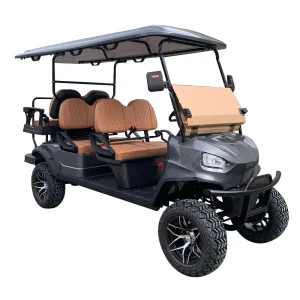
 E-par Golf Cart