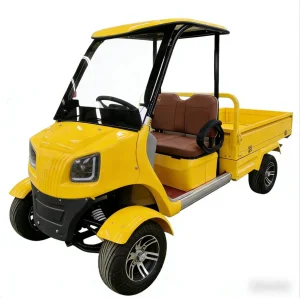
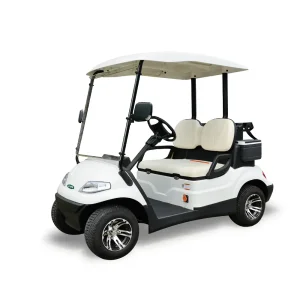
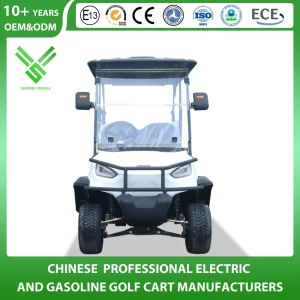
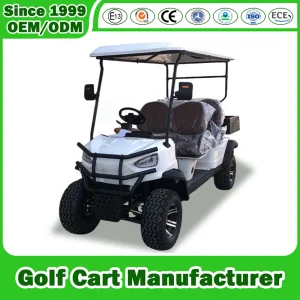
In the evolving landscape of micro-mobility and specialized transport, the transition from traditional lead-acid systems to Lithium Battery technology is not merely a trend—it is a fundamental restructuring of vehicle performance. As industry experts, we observe that lithium-powered electric bikes and utility carts offer superior energy density, significantly reduced weight, and a cycle life that triples that of conventional batteries. For procurement managers, this represents a critical reduction in Total Cost of Ownership (TCO) and enhanced operational efficiency.
The roadmap for electric utility vehicles is increasingly defined by smart integration. Modern manufacturers are no longer just selling "hardware"; they are integrating Advanced Battery Management Systems (BMS) that communicate in real-time with motor controllers. Future developments focus on:
Our manufacturing philosophy leverages the "China Factory 4.0" ecosystem. By utilizing automated welding robotics, electrophoresis rust-proofing, and rigorous digital quality control, we ensure that every unit leaving the assembly line meets global standards. We have moved past simple mass production into Precision Customization, where our R&D team can iterate on chassis designs in weeks, not months. This supply chain resilience is our promise to global partners, ensuring consistent lead times regardless of macro-economic fluctuations.
Navigating the complex regulatory environment for electric vehicles (EVs) requires more than just production capacity; it requires Regulatory Expertise. Our products are CE, DOT, and ISO certified, ensuring they are road-legal in various jurisdictions. Whether you are in the US, Europe, or Southeast Asia, we provide the documentation and technical support required for seamless customs clearance and local registration.
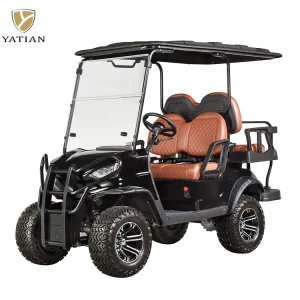
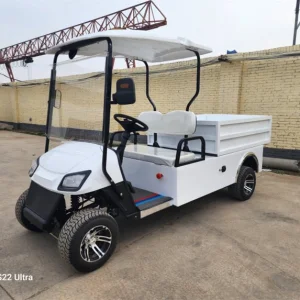
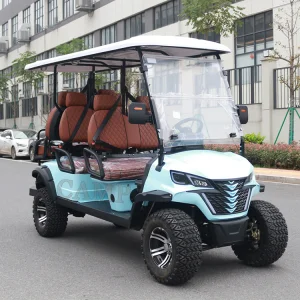
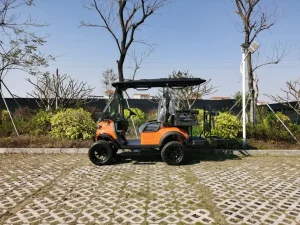
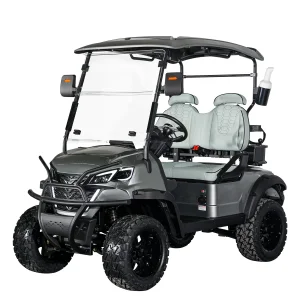
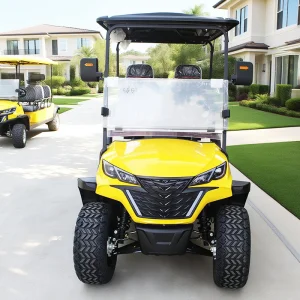
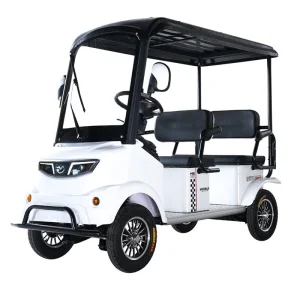
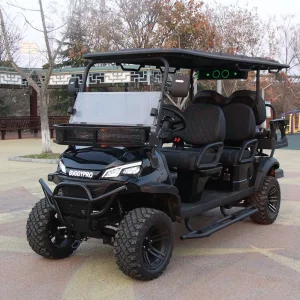
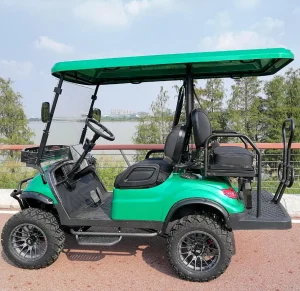
 E-par Golf Cart